


Navigate Web3 & Blockchain Technology in 2026

Blockchain Technology is becoming practical, and Web3 is finally being shaped around real users
For years, the conversation around Blockchain Technology was dominated by speed, speculation, and technical breakthroughs. In 2026, the more important story is usability. Web3 is maturing into an environment where people want secure access to digital assets, clear multi-chain visibility, and simpler ways to interact with DeFi and DApps without giving up control of their funds.
That shift matters because the wallet has become the real front door to Web3. Research cited in the report shows that many users connect a wallet to a DeFi app but never complete a transaction, often because gas fees, network choices, and security concerns create too much friction. In other words, Blockchain Technology is advancing, but user experience still decides who stays.
For that reason, multi-chain, non-custodial wallets are no longer just tools for crypto natives. They are increasingly essential infrastructure for anyone trying to navigate Web3 with confidence. FoxWallet positions itself directly in that category as a secure, multi-chain, non-custodial wallet focused on self-custody, integrated on-chain access, and lower-friction asset management across networks.
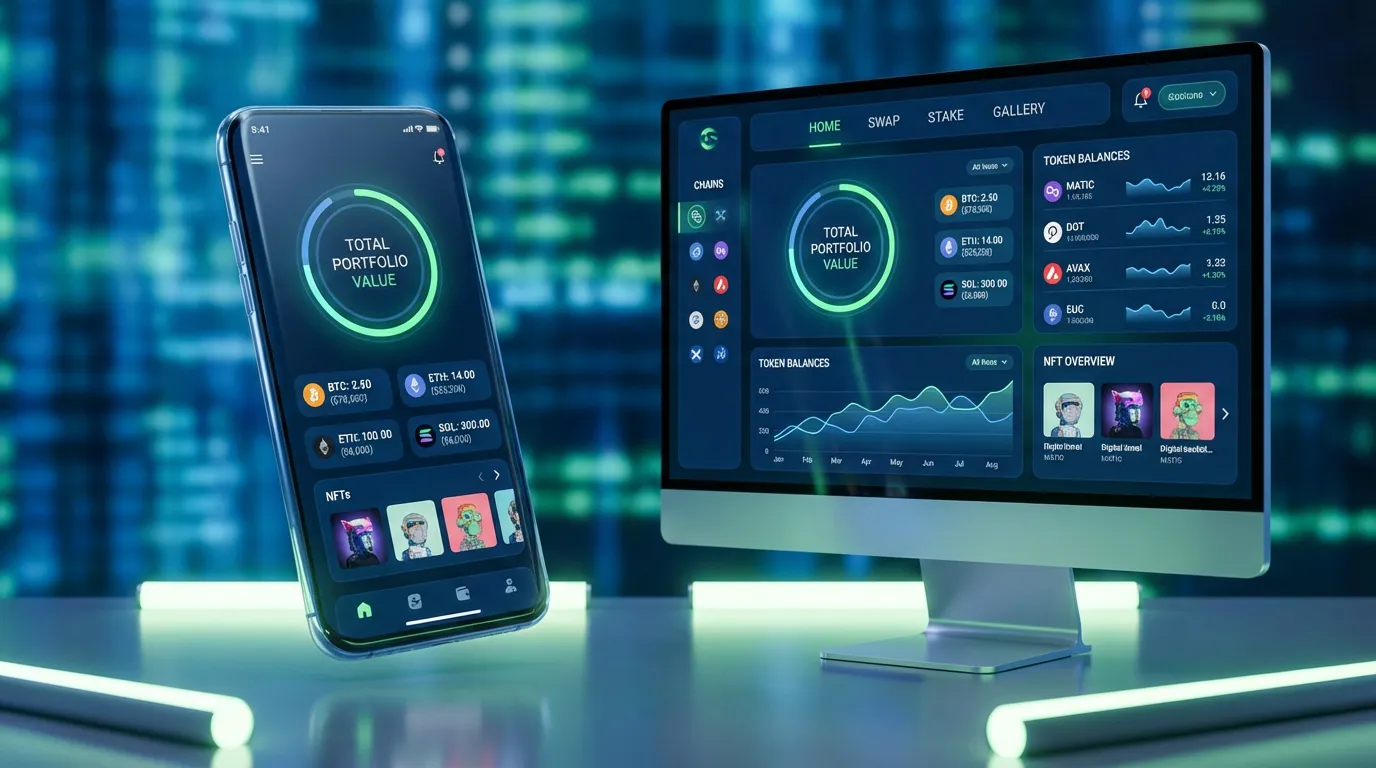
Why Blockchain Technology in 2026 needs better Web3 access, not just better infrastructure
The research report points to a clear direction for Blockchain Technology through 2026: more Layer 2 adoption, more modular blockchain design, more interoperability, and more tokenized assets entering mainstream financial conversations. Reports from the World Economic Forum, Deloitte, and Silicon Valley Bank all reinforce the same idea. The rails are getting stronger.
But stronger rails do not automatically create a smooth ride.
Users still have to decide which network to use, how to manage assets across chains, how to review approvals, and how to avoid malicious links or suspicious contracts. This is where Web3 often feels less like the future and more like a maze.
A useful way to think about the next stage of Blockchain Technology is this: the winning products will not only scale transactions, they will reduce decision fatigue.
Key 2026 Blockchain Technology trends shaping Web3 wallets
| Trend | Why it matters to users | Wallet implication |
|---|---|---|
| Layer 2 growth | Lower fees and faster activity | Wallets need better network handling and visibility |
| Multi-chain expansion | Assets now live across many ecosystems | Unified portfolio views become essential |
| RWA and stablecoin growth | More practical on-chain value transfer | Secure asset management matters more |
| Security pressure | Users face phishing, risky approvals, and malicious contracts | Risk alerts and transaction awareness become core features |
| Better UX expectations | Mainstream users want fewer technical steps | Wallets must simplify without becoming custodial |
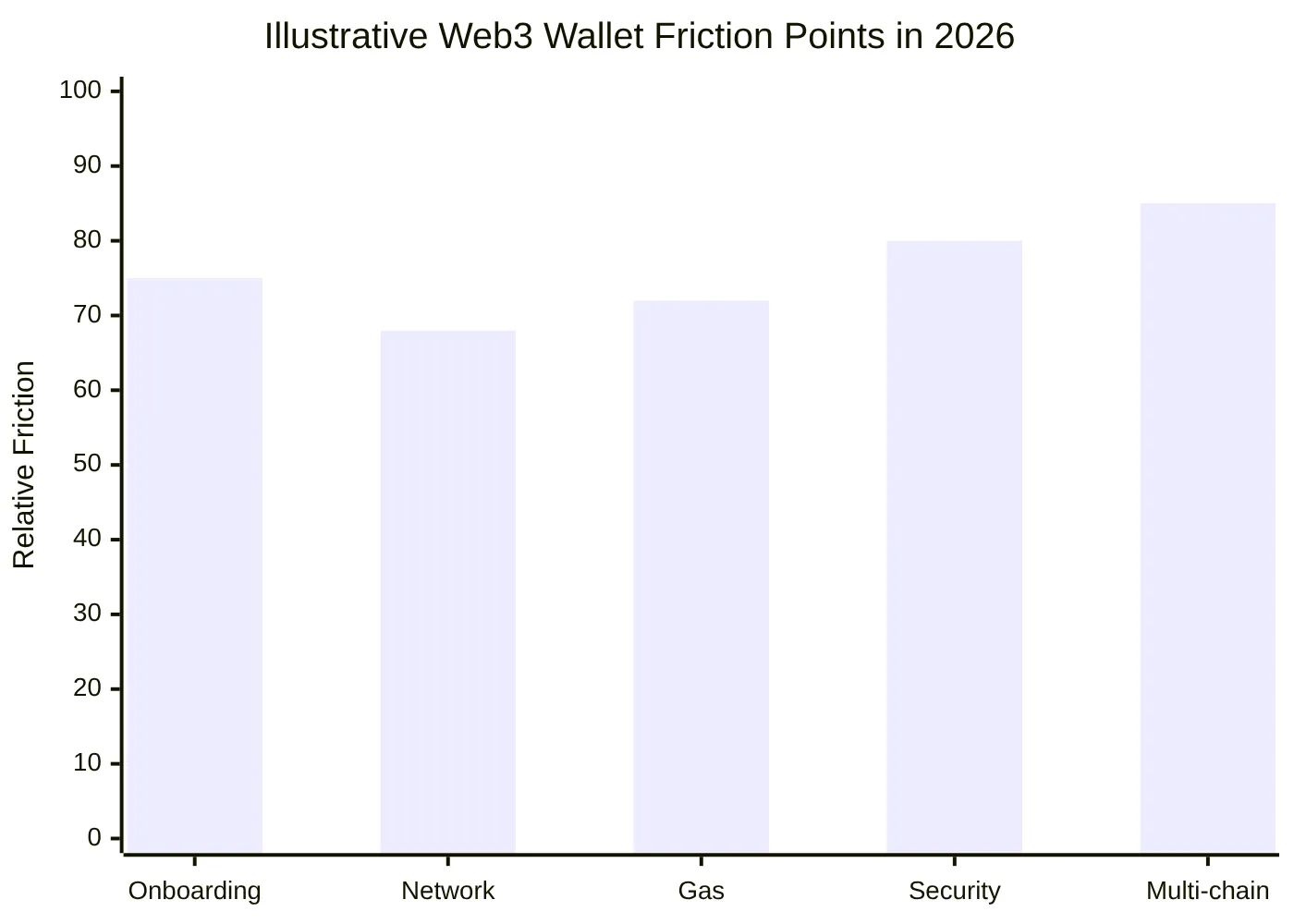
This is why opinion pieces about Blockchain Technology in 2026 should focus less on abstract decentralization and more on the products that make Web3 usable in everyday practice.
How Blockchain Technology becomes usable in Web3 through non-custodial wallets
The wallet is where theory becomes action. It is where a user stores keys, checks balances, connects to DApps, signs transactions, and evaluates risk. In Web3, that makes the wallet more than a storage tool. It is an operating layer.
A non-custodial model remains especially important because it preserves the main value proposition of Blockchain Technology: direct ownership. FoxWallet states that users maintain full control of their private keys and assets, with local encryption and no cloud-stored keys, which aligns with the self-custody expectations many Web3 users still prefer.
That matters for three reasons:
- Control stays with the user, not a platform.
- Access to DApps is more direct.
- Security architecture can be designed around self-custody rather than account dependency.
For newer users, this control can feel intimidating. For more advanced users, it is non-negotiable. That is why the best Web3 wallet experience in 2026 is not just "more secure" or "more powerful". It is secure enough for serious users while remaining understandable for beginners.
FoxWallet's positioning reflects that balance. According to the research report and official materials, its product strengths include:
- Full user control in a non-custodial model
- Multi-chain asset management across 100+ networks
- Built-in cross-chain swap functionality
- Deep integration with DeFi and DApps
- Mobile and browser extension availability
- Security architecture with risk protection features
Readers who want to explore the product directly can visit the FoxWallet official website or go to the FoxWallet download page.
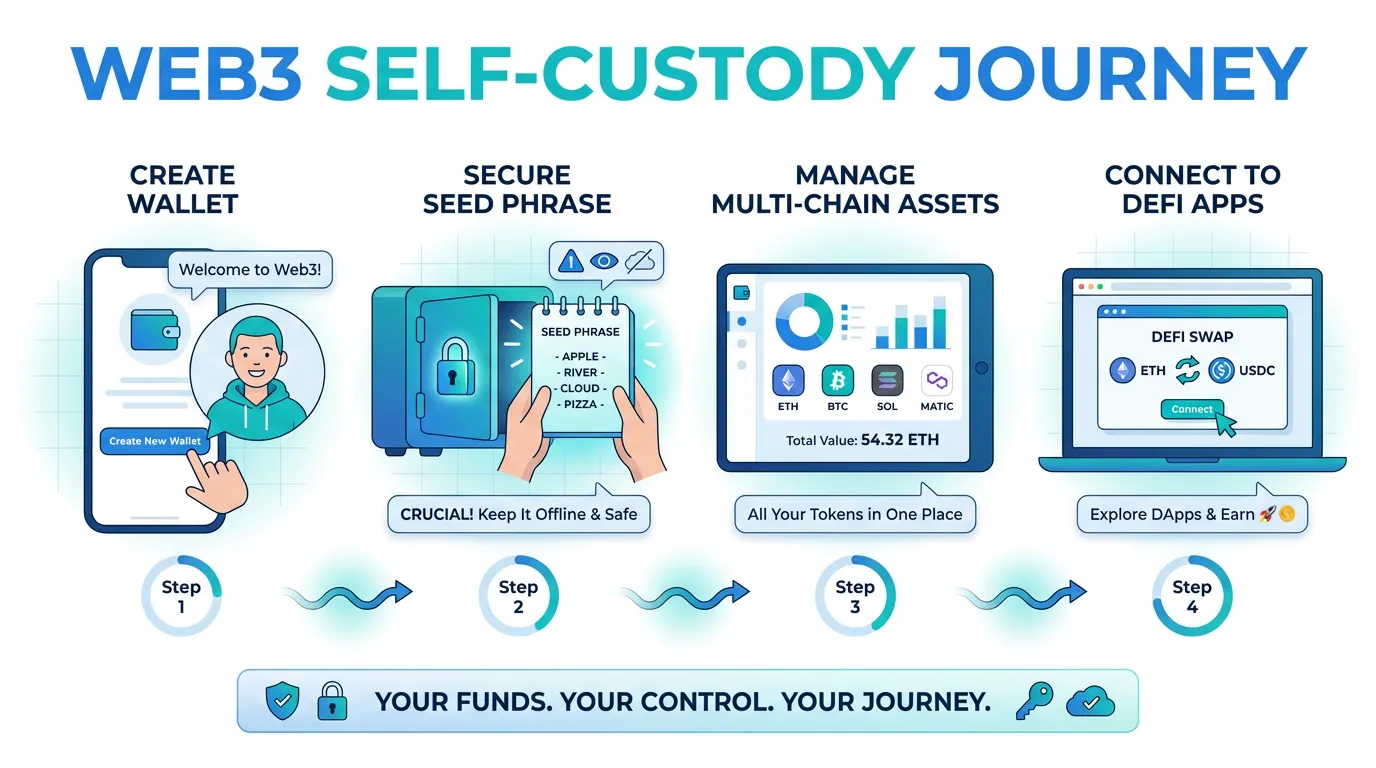
Why Blockchain Technology now demands multi-chain Web3 wallet design
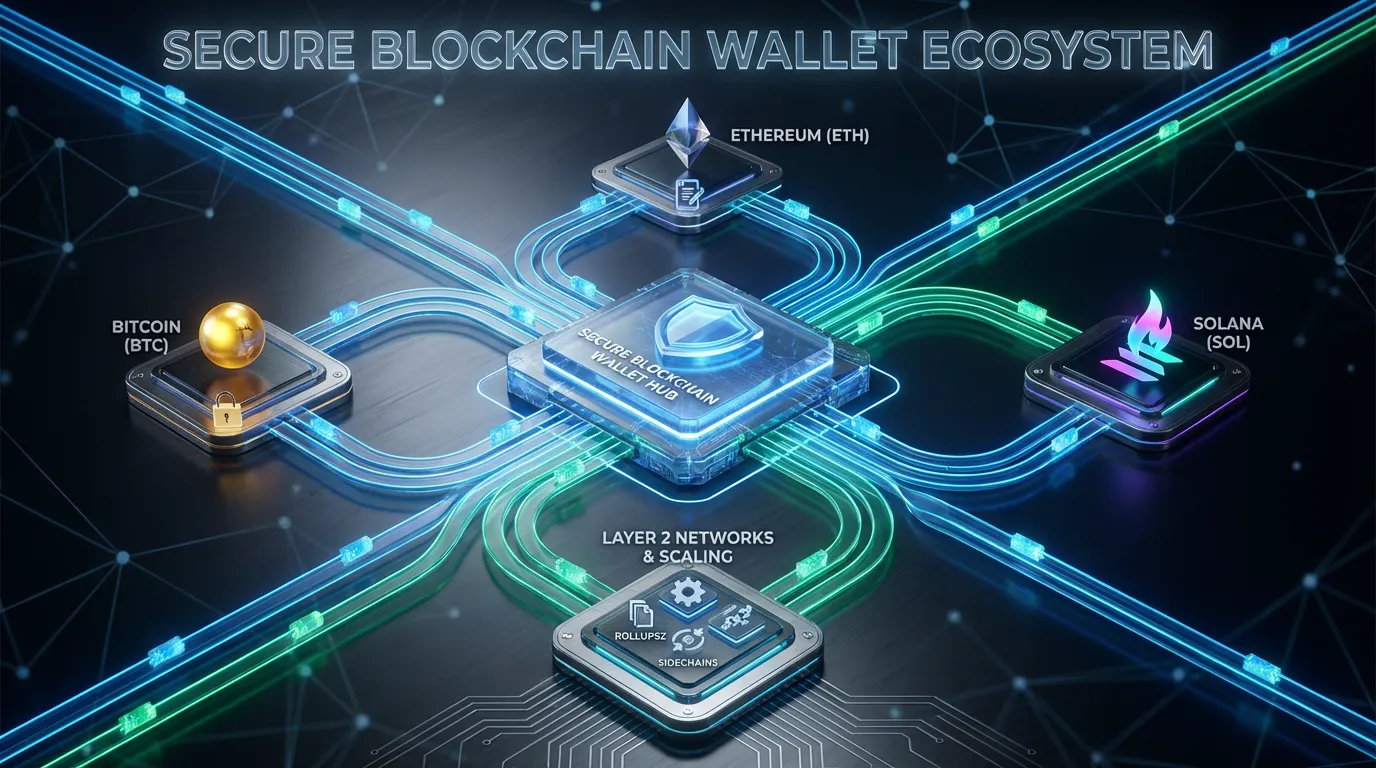
Single-chain thinking no longer matches how people actually use Web3. A user might hold Bitcoin for long-term value, use Ethereum or an L2 for DeFi, explore Solana-based apps, and manage NFTs elsewhere. From the user perspective, these are not separate theoretical ecosystems. They are one fragmented portfolio.
That fragmentation is exactly why Blockchain Technology now demands multi-chain wallet design.
FoxWallet emphasizes broad blockchain support and a unified experience across networks. The report highlights support across Bitcoin, Ethereum, many EVM chains, and several non-EVM ecosystems. In practical terms, this reduces the need to jump between multiple apps just to monitor balances or access DApps.
What users need from Blockchain Technology wallets in a multi-chain Web3 world
| User need | Why it matters | FoxWallet positioning |
|---|---|---|
| Unified asset visibility | Reduces confusion across networks | Multi-chain asset management |
| Transparent self-custody | Preserves ownership and trust | Non-custodial, locally encrypted keys |
| Efficient on-chain execution | Helps reduce friction during swaps | Built-in swap and trading access |
| Secure DApp connectivity | Makes DeFi and Web3 exploration safer | Built-in DApp browser and security protections |
| Cross-platform access | Supports mobile and desktop workflows | Mobile apps and browser extension |
This multi-chain approach is also where FoxWallet's differentiation becomes more compelling. The client guidance stresses that the wallet is built with multi-chain and cross-chain capabilities at its core, rather than treating them as add-ons. That distinction matters because in Web3, convenience often depends on how deeply those capabilities are integrated into the product architecture.
It is also worth noting one important nuance from the brief: cross-chain and staking should not be mixed. So when evaluating Blockchain Technology wallets, users should separate asset movement and swap functionality from yield-related activities. They solve different problems and carry different types of risk.
For users interested in FoxWallet's broader documentation, the FoxWallet Help Center and the Account System guide provide additional context on wallet structure and account management.
How FoxWallet fits the Blockchain Technology and Web3 direction of 2026
In my view, the most relevant question for 2026 is not whether Blockchain Technology will continue evolving. It will. The more useful question is which products help people benefit from that evolution without absorbing all of its complexity.
That is where FoxWallet appears well aligned with the market direction described in the research report.
First, it matches the shift toward self-custody with a security-first model. FoxWallet emphasizes local private key encryption, user-controlled assets, and protective features such as phishing defense and high-risk signature checks on its official site.
Second, it fits the multi-chain reality of Web3. Rather than forcing users into a narrow ecosystem, it is positioned as a broad access point for managing assets across many blockchain networks.
Third, it reflects the growing importance of integrated on-chain actions. Wallets are no longer judged only by storage. They are judged by how well they help users move from holding to doing. That includes swaps, DApp access, and on-chain interaction in a single environment.
Fourth, it supports both mobile and desktop-style usage. In 2026, that is not optional. Users discover Web3 on mobile, monitor portfolios on mobile, and often execute more involved DeFi actions from a browser extension. FoxWallet's availability across both environments supports that behavior.
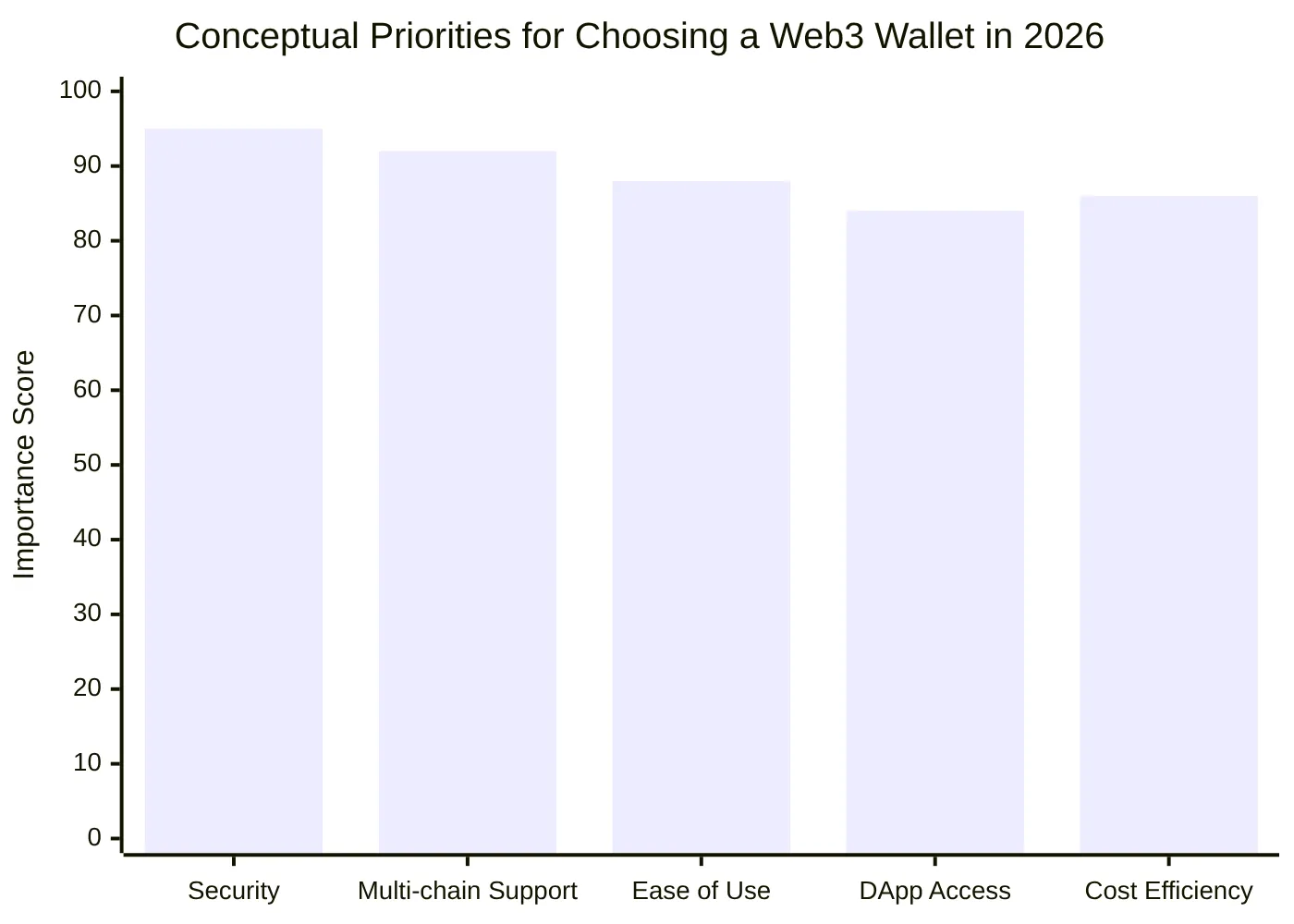
A sensible next step for readers evaluating their setup is to compare whether their current wallet actually matches how they use Blockchain Technology today. If the answer includes multiple chains, frequent DApp interaction, and a desire for tighter control, then a product like FoxWallet deserves a closer look.
What Blockchain Technology and Web3 users should prioritize next
The future of Blockchain Technology will not be decided only by protocol upgrades. It will also be decided by whether ordinary users can navigate Web3 without getting lost in wallet friction, fee opacity, and security anxiety.
That is why wallets deserve more attention than they often receive in trend discussions. They are the practical layer where ownership, usability, and trust all meet.
For users moving deeper into Web3 in 2026, the priorities are clear:
- Choose self-custody only if you are ready to manage it responsibly.
- Prefer multi-chain visibility over fragmented wallet sprawl.
- Use wallets that make on-chain actions simpler without hiding the risks.
- Treat security features as essential, not optional.
- Evaluate total usability, not just token support lists.
FoxWallet fits this conversation well because its value proposition is not based on hype. It is based on a more grounded interpretation of where Blockchain Technology is heading: toward multi-chain reality, stronger user control, integrated Web3 access, and lower-friction interaction for both beginners and advanced users.
If that is the direction of Web3 in 2026, then the wallets built around those principles are likely to matter more than ever.
