


Manage Assets: Multi-Chain Stablecoin Wallet

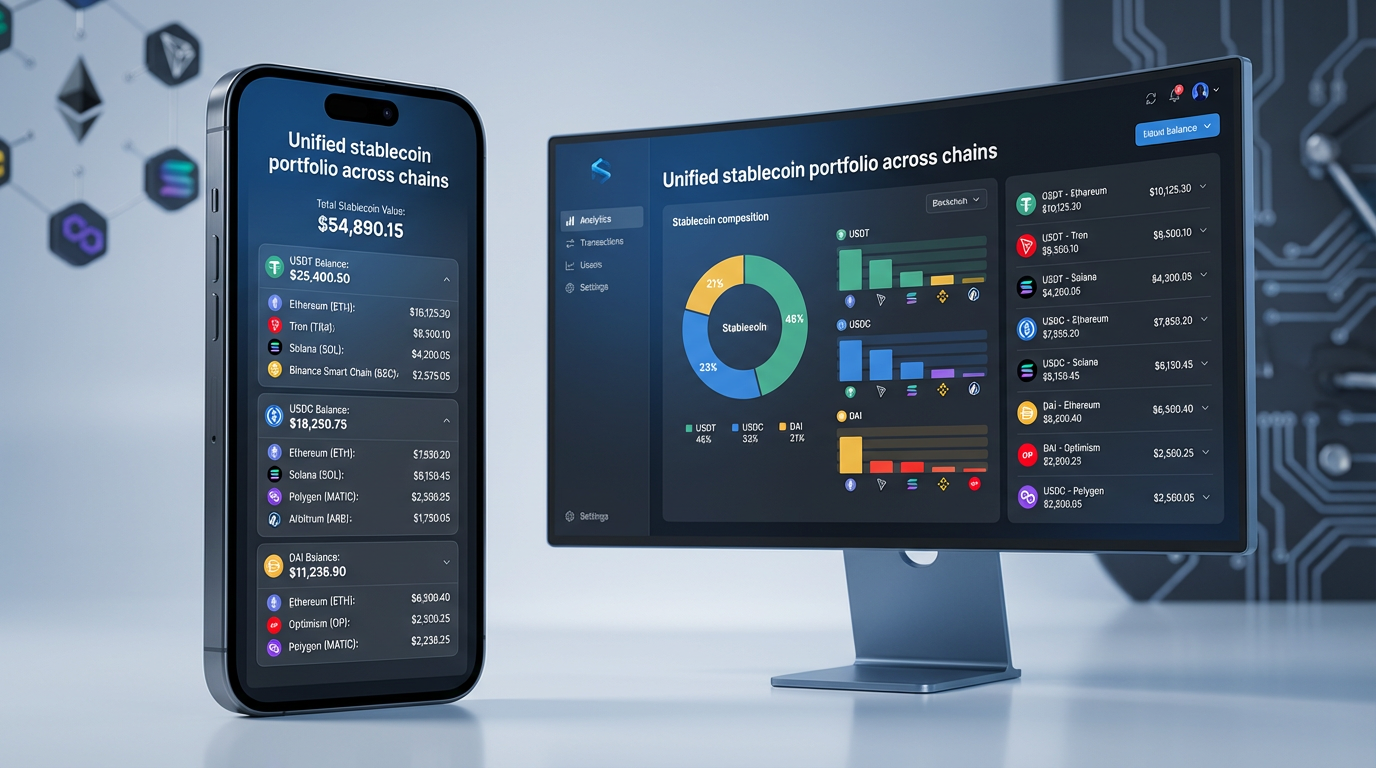
Managing stablecoins sounds simple until you realize your USDC, USDT, or DAI can live on many networks at once. A wallet built for multi-chain stablecoin management reduces the "where did my funds go?" moments, cuts down on manual steps, and helps you move value with fewer surprises.
Why stablecoins become complicated in a multi-chain world
Stablecoins are designed to hold a relatively stable value (often pegged to the US dollar), which is why they are widely used for trading, payments, and DeFi collateral. If you want a quick refresher on how stablecoins work, see Coinbase's explainer on what a stablecoin is and Chainlink's overview of why multi-chain matters.
The friction starts when:
- The same ticker exists on different networks (and sometimes wrapped forms).
- Liquidity is fragmented across ecosystems.
- Users bounce between apps, bridges, and DEXs, increasing both error risk and exposure to phishing or malicious contracts (Elliptic covers why bridge and swap flows are frequently targeted in its article on tracking crypto through bridges, DEXs, and swaps).
What to look for in a multi-chain stablecoin wallet
A strong option typically combines four capabilities:
- Non-custodial control: you hold the keys (MoonPay summarizes the model in what a non-custodial wallet is).
- Unified multi-chain asset view: see stablecoin balances across networks in one interface.
- Integrated cross-chain swap routing: fewer external tabs and fewer manual steps to move stablecoins between chains.
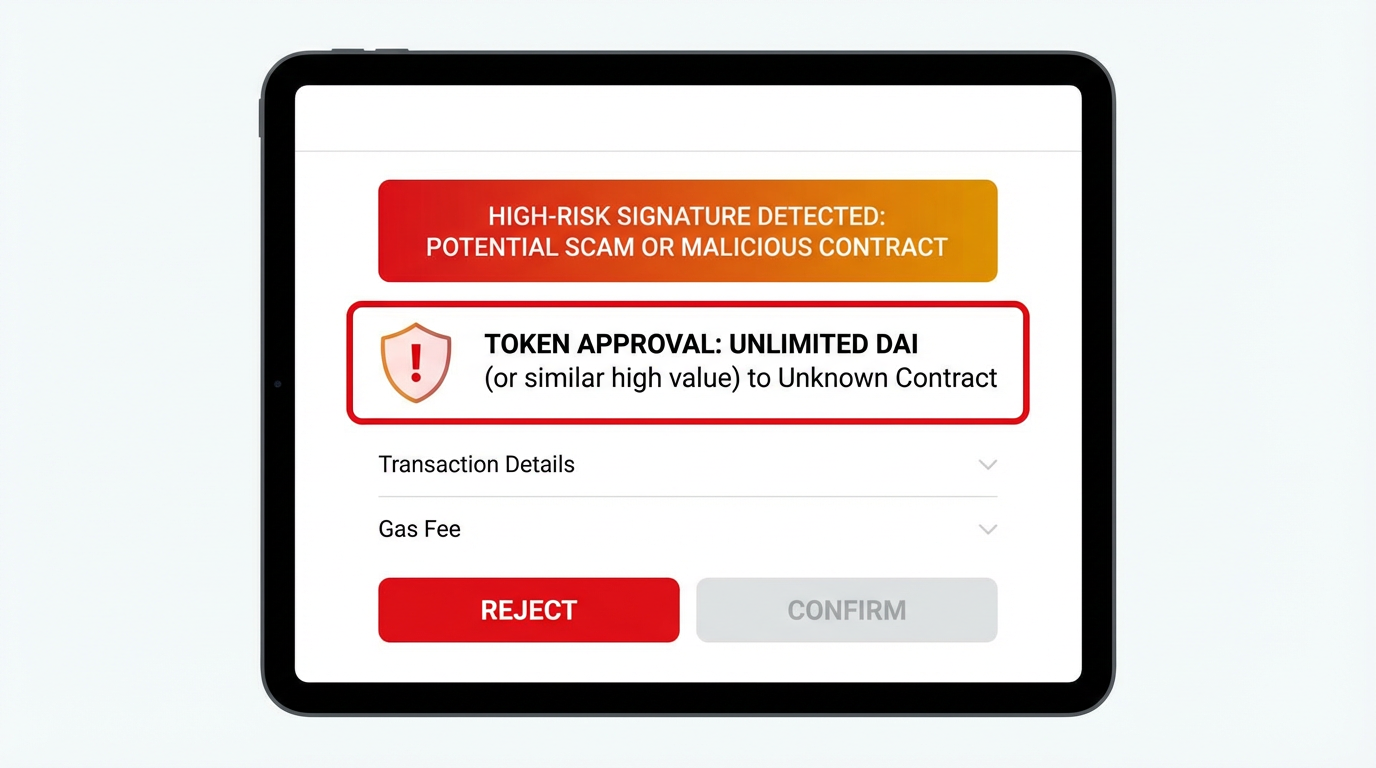
- Risk tooling at signing time: warnings for suspicious approvals, phishing domains, and risky contract interactions.
FoxWallet vs common alternatives for stablecoin management (comparison)
Below is a practical comparison focused on stablecoin-heavy, multi-chain usage. (Competitor brands are mentioned for evaluation, but not linked.)
| Criteria (stablecoin-focused) | FoxWallet | Trust Wallet | OKX Web3 Wallet | MetaMask |
|---|---|---|---|---|
| Non-custodial self-custody | Yes | Yes | Yes | Yes |
| Multi-chain portfolio management | Strong (unified view, auto-detection) | Strong | Strong | Medium (EVM-first, manual network setup) |
| Integrated cross-chain stablecoin swap routing | Strong (built-in aggregation) | More externalized | Strong | More externalized |
| Built-in DApp access | Yes | Yes | Yes | Yes |
| On-chain risk alerts (phishing, risky signatures, approvals) | Strong emphasis | More basic | Strong | More limited by default |
| Mobile + browser extension | Yes | Yes | Yes | Yes |
What this means in practice: if your primary goal is "one place to manage stablecoins across chains and swap across chains with fewer steps," FoxWallet is designed around that workflow rather than treating it as an add-on.
Why FoxWallet is built for stablecoin-heavy, multi-chain users
FoxWallet's positioning in the research is consistent: security-first, non-custodial, multi-chain, and cross-chain-capable.
Key strengths:
- Self-custody by design: your keys stay locally stored and encrypted, and FoxWallet does not custody funds. Start with the official Help Center documentation and the FAQs.
- Multi-chain account structure: support for multi-wallet and multi-seed organization is documented in the Account System guide, which is helpful if you separate personal funds, trading funds, and DAO/ops wallets.
- Cross-chain swaps inside the wallet: FoxWallet integrates aggregators (notably 1inch and LI.FI per the research report) to route swaps for pricing and liquidity, aiming to reduce slippage and "hidden" routing costs for frequent movers.
- DeFi and DApps without extra friction: the built-in DApp browser and WalletConnect support make it easier to access lending, swaps, NFTs, and other activities in one place (keep cross-chain swaps and staking as separate actions, even if both are available through DeFi).
Best practices (especially when moving stablecoins across chains)
Even with a strong wallet, good habits matter:
- Back up your seed phrase offline. Non-custodial means there is no password reset if it is lost.
- Test with a small amount first when transferring stablecoins across networks.
- Read approvals carefully and regularly review token allowances; risk often comes from unlimited approvals and phishing prompts.
If you want an all-in-one approach for stablecoins across multiple networks, install FoxWallet, create or import a wallet, and use the unified portfolio view to verify which chain each stablecoin balance is on before you swap or send.