


Why DeFi and Stablecoin Integration Matters Now
April 27, 2026 ·
8 min read

DeFi and stablecoin integration now defines what a capable wallet must do, because stablecoins are no longer just balances to hold. In 2026, they function as working capital for swaps, DeFi access, liquidity pools, and fast settlement across multiple chains. At the same time, compressed yields, regulatory pressure around custodial products, and rising transaction volumes make self-custody, clear risk warnings, and multi-chain visibility much more important.
For users in the US, that shift changes the wallet decision from a storage question into an execution question. A wallet must help you see where your assets are, move them efficiently, access DeFi safely, and stay in control of private keys. That is why non-custodial, multi-chain products such as FoxWallet are increasingly relevant for both beginners and advanced users.
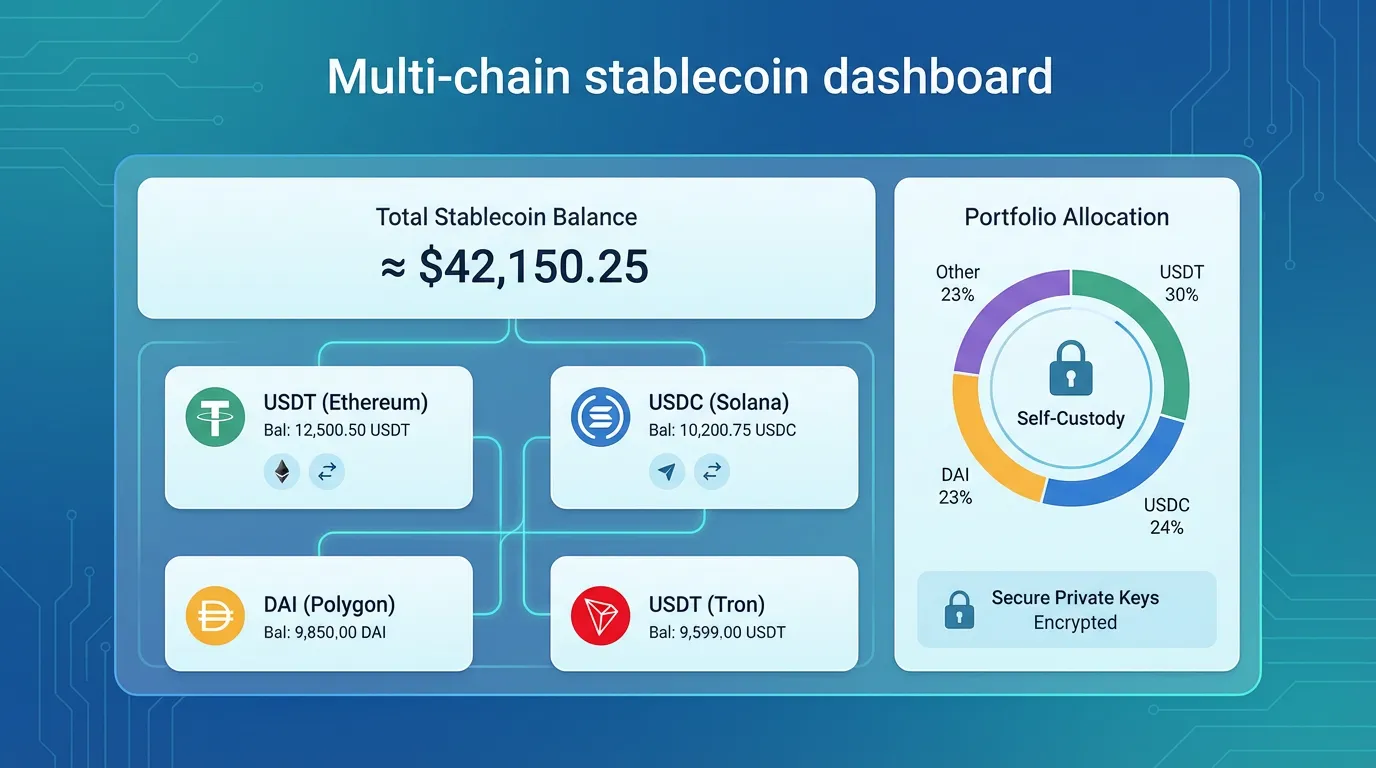
The key lesson is simple: yield generation has become less about passive expectation and more about active decision-making. A wallet should not present on-chain yield as guaranteed or automatic. It should help users access opportunities, review contract interactions, and manage assets securely.
This is where FoxWallet's positioning fits the 2026 market. Its non-custodial architecture keeps users in control of private keys, while its built-in DApp browser and multi-chain asset view support a smoother path from holding to on-chain action. Readers who want a more focused guide can also review FoxWallet's article on the easiest way for Web3 stablecoin management.
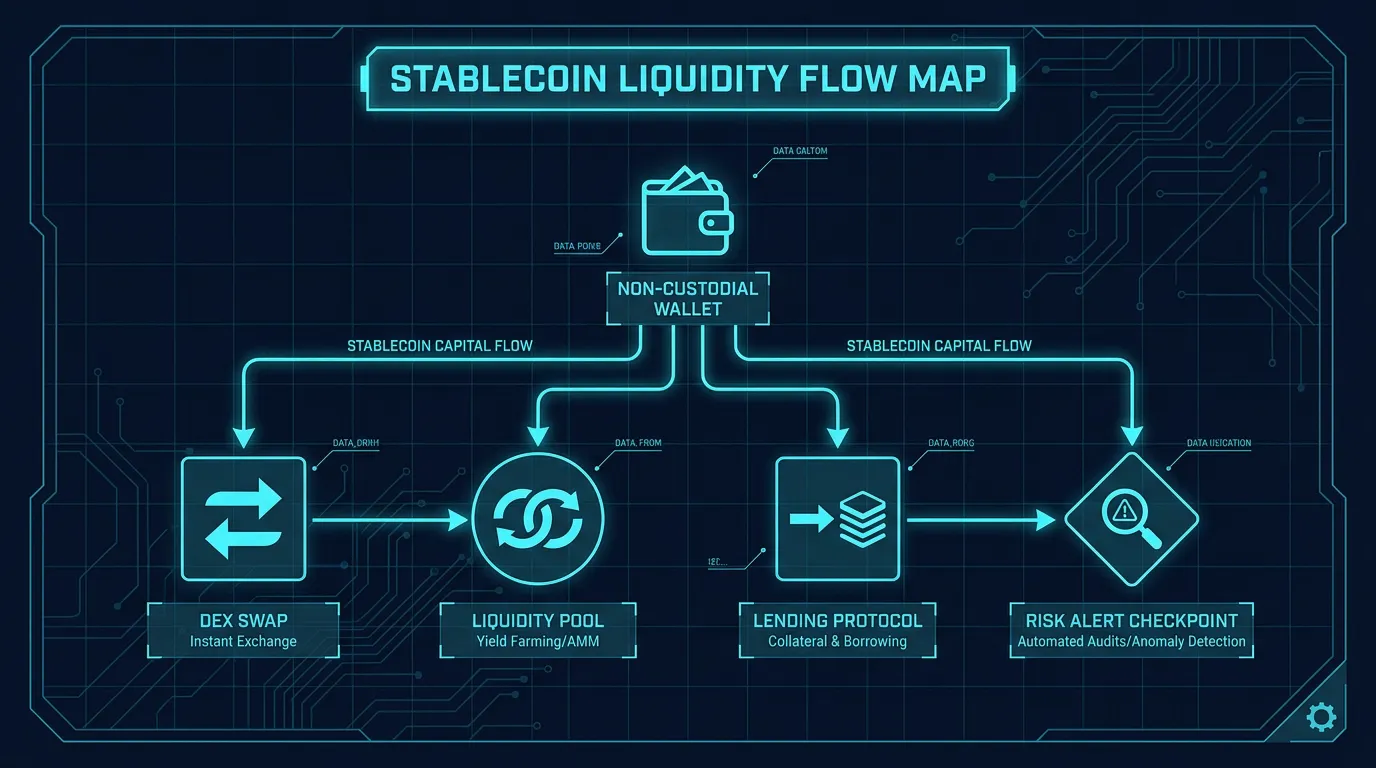 FoxWallet aligns well with that shift because it is built around self-custody, multi-chain asset tracking, and integrated on-chain access. It also emphasizes transaction warnings and smart contract recognition, which become especially important when users interact with liquidity pools and other DeFi tools. For safety-focused readers, FoxWallet's guide to decentralized swap safety in 2026 is a relevant internal resource.
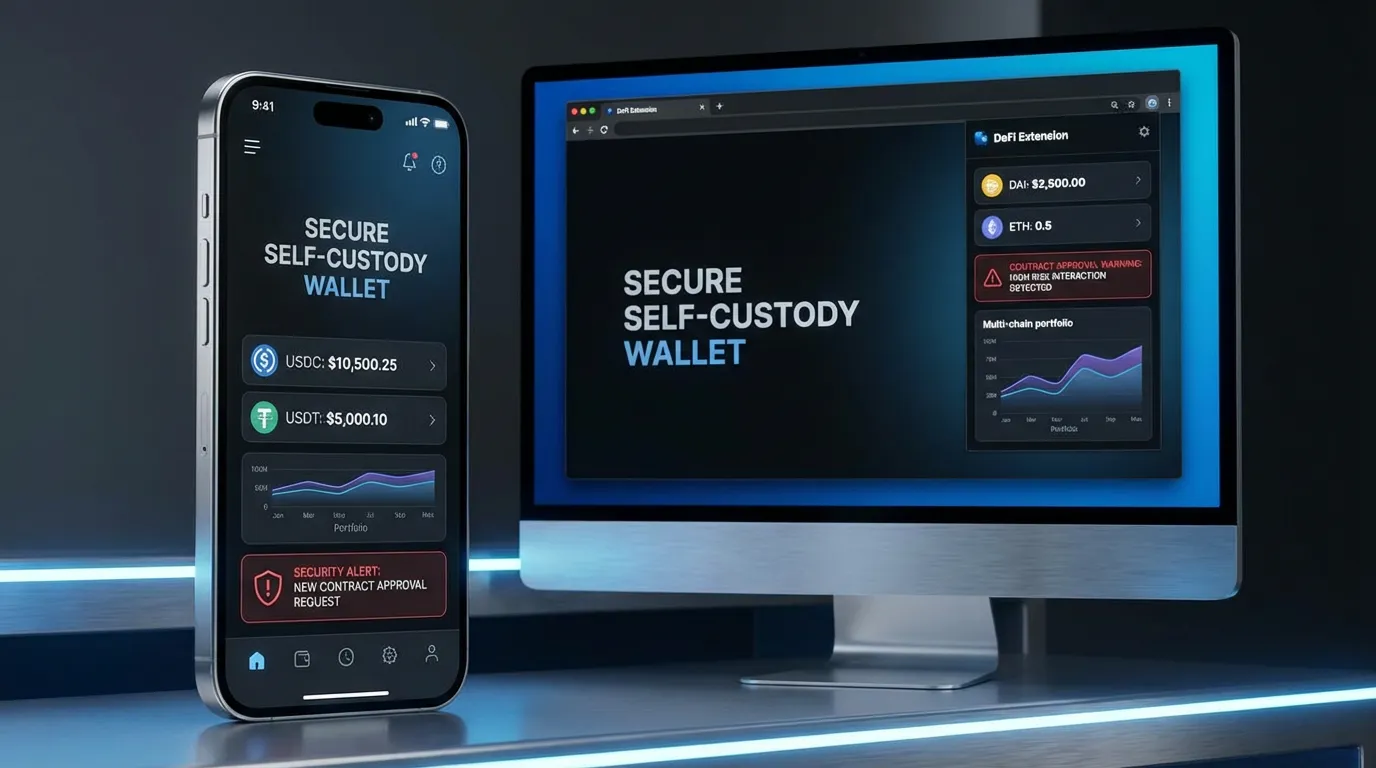
FoxWallet's stated architecture maps directly to those needs. It uses a non-custodial model, locally encrypted storage for sensitive credentials, sandbox isolation, and pre-transaction risk alerts. That makes it suitable for users who want one wallet for mobile and browser extension workflows without giving up control of funds.
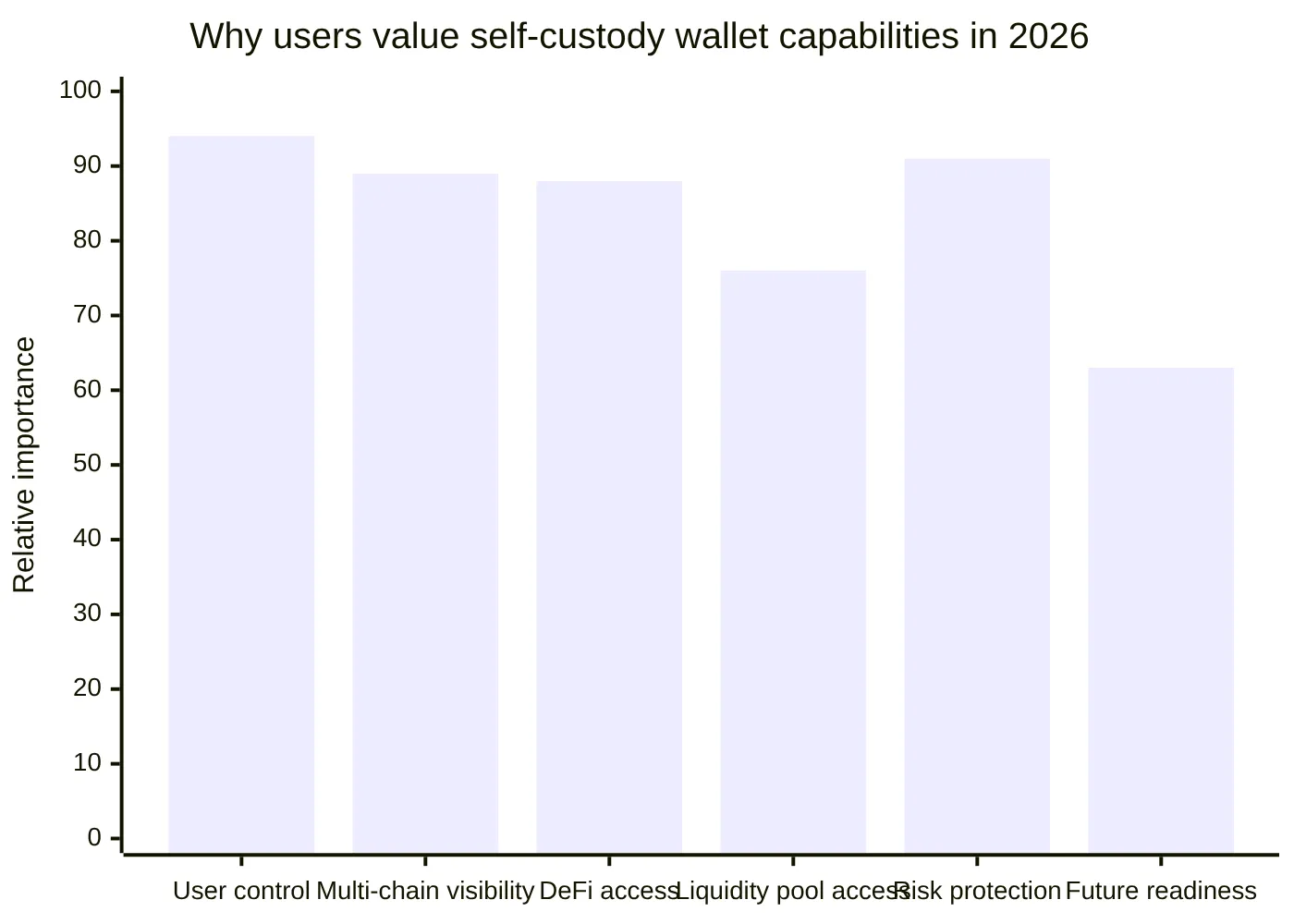
CBDC integration is a different kind of topic. The research report makes clear that mainstream wallet support for CBDCs is still more discussion than broad deployment. Even so, it has become part of the strategic conversation. Users increasingly want confidence that a wallet can adapt to future digital money rails, not just today's token standards. Sources: Token Metrics Web3 wallet guide, community framing from the client-provided discussion on Reddit.
The right takeaway is cautious. CBDC integration should be treated as a readiness question, not a feature claim. Wallets do not need to overpromise support they do not have. They do need flexible architecture, clear chain handling, and a product narrative that acknowledges future interoperability.
Why DeFi and Stablecoin Integration now drives wallet choice
DeFi and Stablecoin Integration matters now because three market forces are converging at once. First, stablecoins have become core infrastructure. Federal Reserve analysis noted that stablecoin market capitalization grew materially through 2025, while research from Plasma framed annualized stablecoin transaction volume at more than $33 trillion. That means stablecoins are being used for transfers, trading, settlement, and on-chain deployment, not just as idle exchange balances. Sources: Federal Reserve analysis, Plasma stablecoin transaction volume research. Second, yield conditions changed user behavior. Client-provided context states the USDe stablecoin fell from $14 billion to $10 billion as negative BTC and ETH funding rates compressed yields. That matters because users can no longer assume a stablecoin will keep producing attractive returns by default. Instead, they need direct access to on-chain choices and better visibility into risk. Third, the policy environment is making custody structure more important. Research cited in the report shows the Crypto Clarity Act remains part of an evolving market-structure conversation, while broader policy debate increasingly distinguishes custodial yield products from self-custody access to user-directed on-chain activity. Sources: Ave Maria Law on the CLARITY Act, House Financial Services material, Fintech Weekly policy update. A practical result of this shift is that the wallet itself becomes the operational layer. That is where a non-custodial product with multi-chain asset management, secure DApp access, and transparent transaction warnings starts to matter more than a simple send-and-receive interface. For readers comparing tools, FoxWallet has also published useful background on multi-chain stablecoin management and the best wallet for Web3 stablecoin management.
How DeFi and Stablecoin Integration changes the role of the USDe stablecoin and yield generation
The USDe stablecoin became one of the clearest examples of why wallet design must adapt to changing yield generation conditions. According to the client context, USDe dropped from $14 billion to $10 billion in market cap as funding-rate conditions weakened. External sources support the broader trend that yields compressed and demand became more sensitive to market structure rather than headline return alone. Sources: Stablecoin Insider on Ethena Q1 2026, Ethena governance update, Multicoin analysis. That change affects wallets in several ways:| Wallet need | Why it matters for yield generation |
|---|---|
| Asset visibility | Users need to know which stablecoin sits on which chain |
| Safe protocol access | Yield strategies usually require DApp interaction and contract approvals |
| Risk alerts | Liquidity, depeg, and contract risks can change quickly |
| Flexible movement | Capital often moves between holding, swapping, lending, and liquidity pools |
| Self-custody control | Users need direct ownership rather than relying on platform-managed yield narratives |
Why DeFi and Stablecoin Integration increases the importance of liquidity pools and the Crypto Clarity Act
DeFi and Stablecoin Integration also matters because stablecoins are central to liquidity pools. In practice, they often serve as the quote asset, the lower-volatility side of a trading pair, or collateral inside broader DeFi strategies. As DeFi infrastructure matured across Ethereum, Layer 2s, and other chains, liquidity pools became one of the main ways stablecoin capital gets deployed. Research from Mordor Intelligence and Plasma supports the wider trend that DeFi activity and stablecoin transaction volumes continue to scale. Sources: Mordor Intelligence DeFi market report, Plasma stablecoin volume research. That creates a wallet design requirement, not just a user preference. A wallet should help users:- identify the correct asset on the correct chain,
- connect to DApps securely,
- review approvals clearly,
- track deployed funds across networks,
- and understand signing risk before joining liquidity pools.
FoxWallet aligns well with that shift because it is built around self-custody, multi-chain asset tracking, and integrated on-chain access. It also emphasizes transaction warnings and smart contract recognition, which become especially important when users interact with liquidity pools and other DeFi tools. For safety-focused readers, FoxWallet's guide to decentralized swap safety in 2026 is a relevant internal resource.
How DeFi and Stablecoin Integration shapes wallet security and CBDC integration discussions
As DeFi and Stablecoin Integration expands, security becomes the deciding layer between convenience and costly mistakes. The more actions a wallet supports, the more responsibility it carries at the moment of signing, swapping, and connecting to protocols. This matters even more in a market where client-provided context says total crypto market cap stood at $2.53 trillion and BTC and ETH trading volumes rose above 53 percent. In a faster market, mistakes spread faster too. Sources: CoinDesk data context, CryptoSlate market volume coverage. A useful 2026 wallet security checklist looks like this:| Security feature | Why it matters in DeFi and Stablecoin Integration |
|---|---|
| Local private key encryption | Preserves self-custody and reduces centralized risk |
| Smart contract recognition | Helps users detect suspicious approvals |
| Pre-transaction alerts | Reduces the chance of signing harmful interactions |
| Phishing and malicious link detection | Protects DApp browsing and wallet connections |
| Real-time multi-chain sync | Improves visibility into balances and deployed funds |
What DeFi and Stablecoin Integration means for choosing a wallet now
DeFi and Stablecoin Integration means a wallet should function as a secure control layer for stablecoin movement and on-chain participation, not just a digital vault. In 2026, that translates into a short list of practical requirements:- non-custodial ownership of keys and assets,
- multi-chain asset management with clear balance visibility,
- built-in access to DeFi and DApps,
- efficient swap routing,
- strong transaction and contract-risk warnings,
- and a consistent experience across mobile and desktop.