


Web3 Innovation: Applications of Blockchain Technology in the Digital Economy

Why Blockchain Technology Is Becoming the Operating System of the Digital Economy
Blockchain Technology is no longer just the backend for cryptocurrencies. In my view, it has become one of the most important foundations of the modern digital economy because it makes value, ownership, and coordination programmable. That is the real shift behind Web3: users are no longer limited to reading content or using closed platforms, but can directly hold assets, interact with smart contracts, and move across ecosystems with fewer centralized gatekeepers.
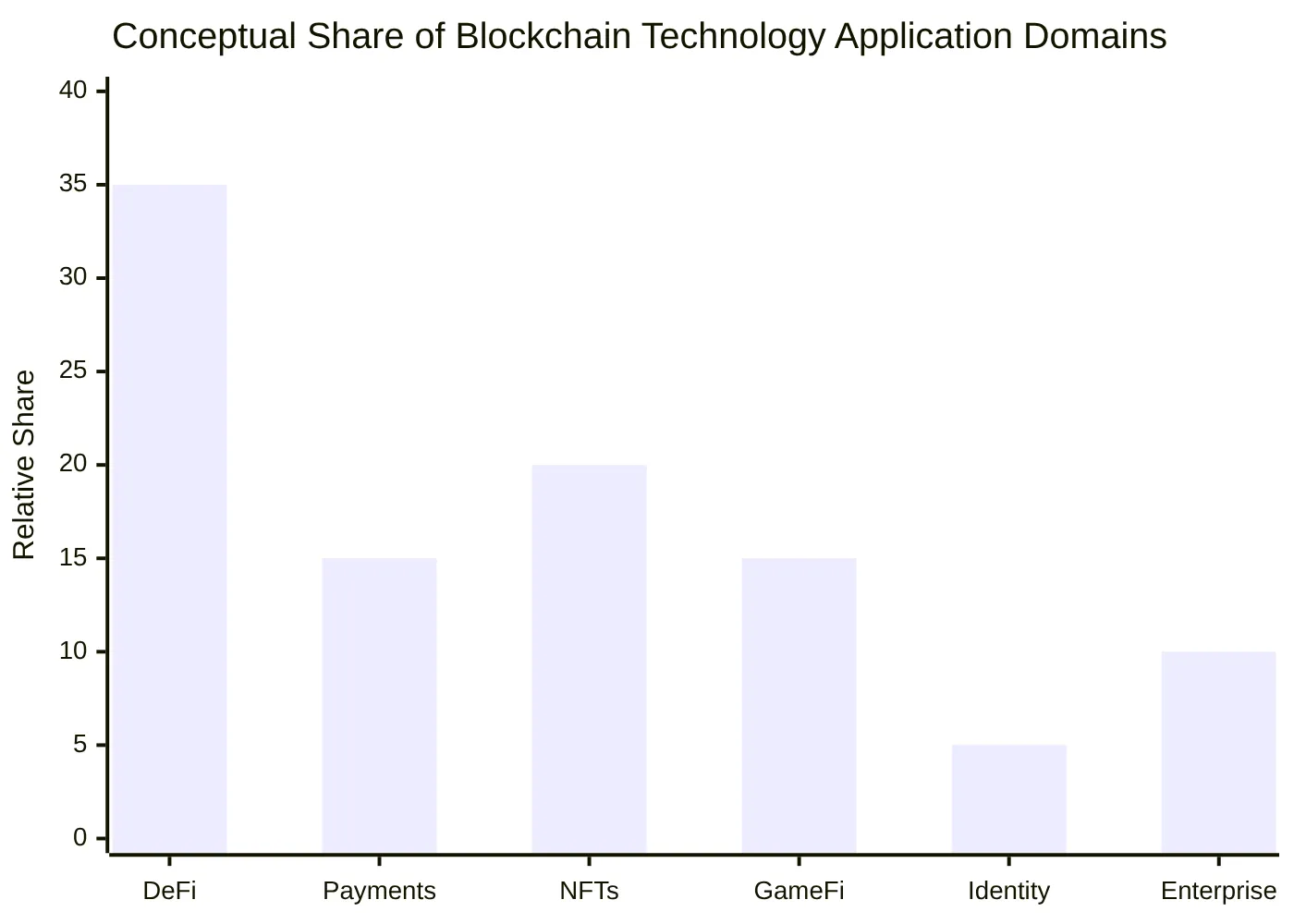
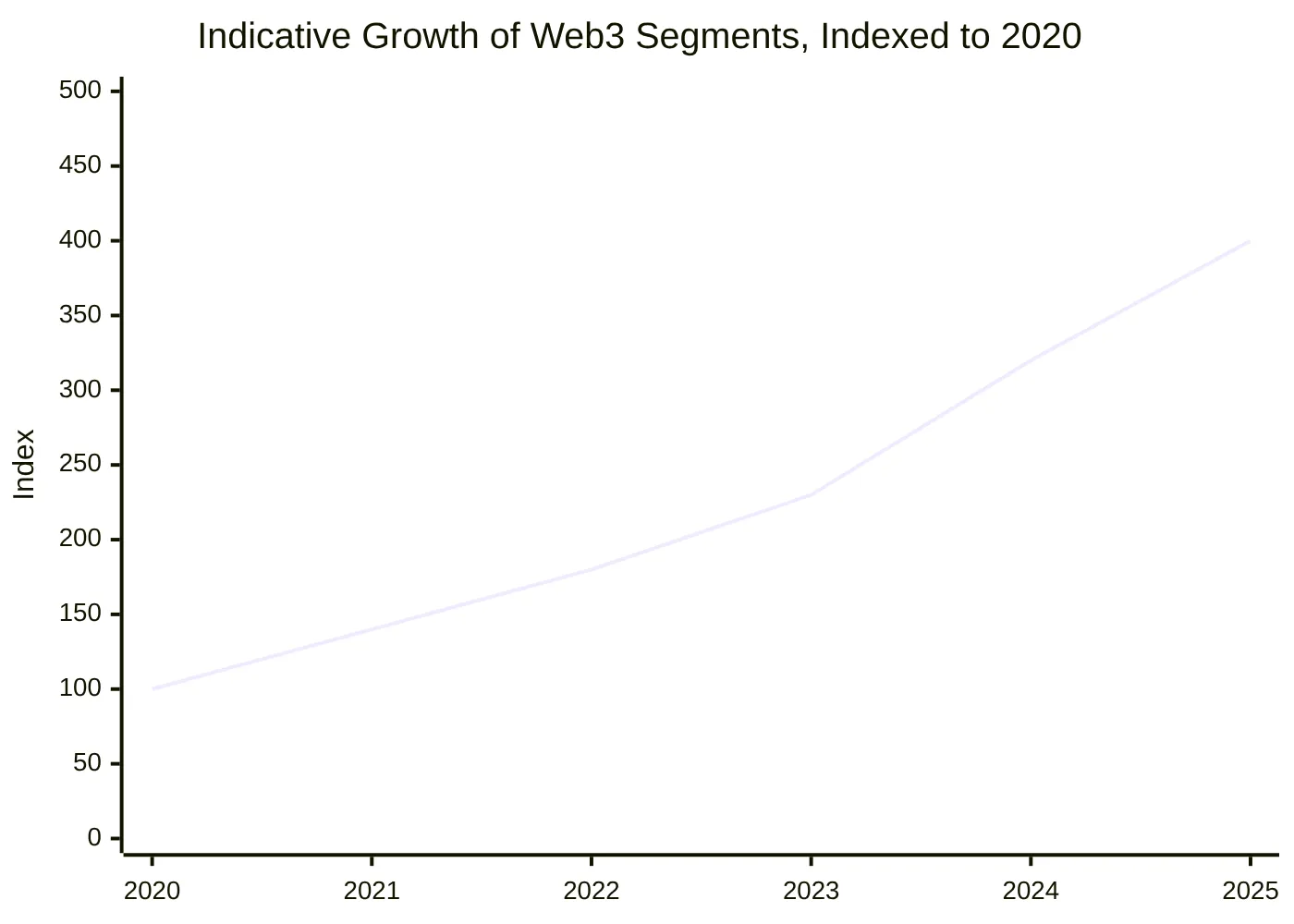
Industry estimates cited in the research report place the global Web3 blockchain market at roughly $2.8 billion to $4.6 billion in 2024 to 2025, with projected annual growth above 30 percent. That scale matters, but the more important signal is structural. Blockchain Technology has expanded from a niche innovation into infrastructure supporting DeFi, NFTs, payments, GameFi, identity systems, and enterprise use cases.

For everyday users, Web3 only works if the interface is practical. That is why wallets matter so much. A wallet is not just a storage tool. It is the gateway to blockchain-based activity, from signing transactions to managing NFTs and connecting to DApps. This is where a multi-chain, non-custodial product like FoxWallet fits into the bigger picture.
How Blockchain Technology Powers Web3 Ownership and Access
At its core, Blockchain Technology combines distributed ledgers, consensus, cryptography, and smart contracts. Together, these features create something Web2 platforms rarely provide: user-controlled ownership with verifiable records.
In Web3, a wallet acts as your identity layer and your transaction signer. Instead of depending on a centralized platform to authorize every action, users approve transfers and smart contract interactions with their own keys. This creates a very different relationship between the user and the internet.
Here is a simple comparison.
| Area | Web2 | Web3 with Blockchain Technology |
|---|---|---|
| Asset control | Platform-controlled accounts | User-controlled wallets and keys |
| Data model | Closed databases | Shared on-chain state |
| Monetization | Platform fees and ads | Tokenized participation and on-chain value |
| App access | Account login | Wallet connection and signature |
| Portability | Limited | Higher composability across protocols |
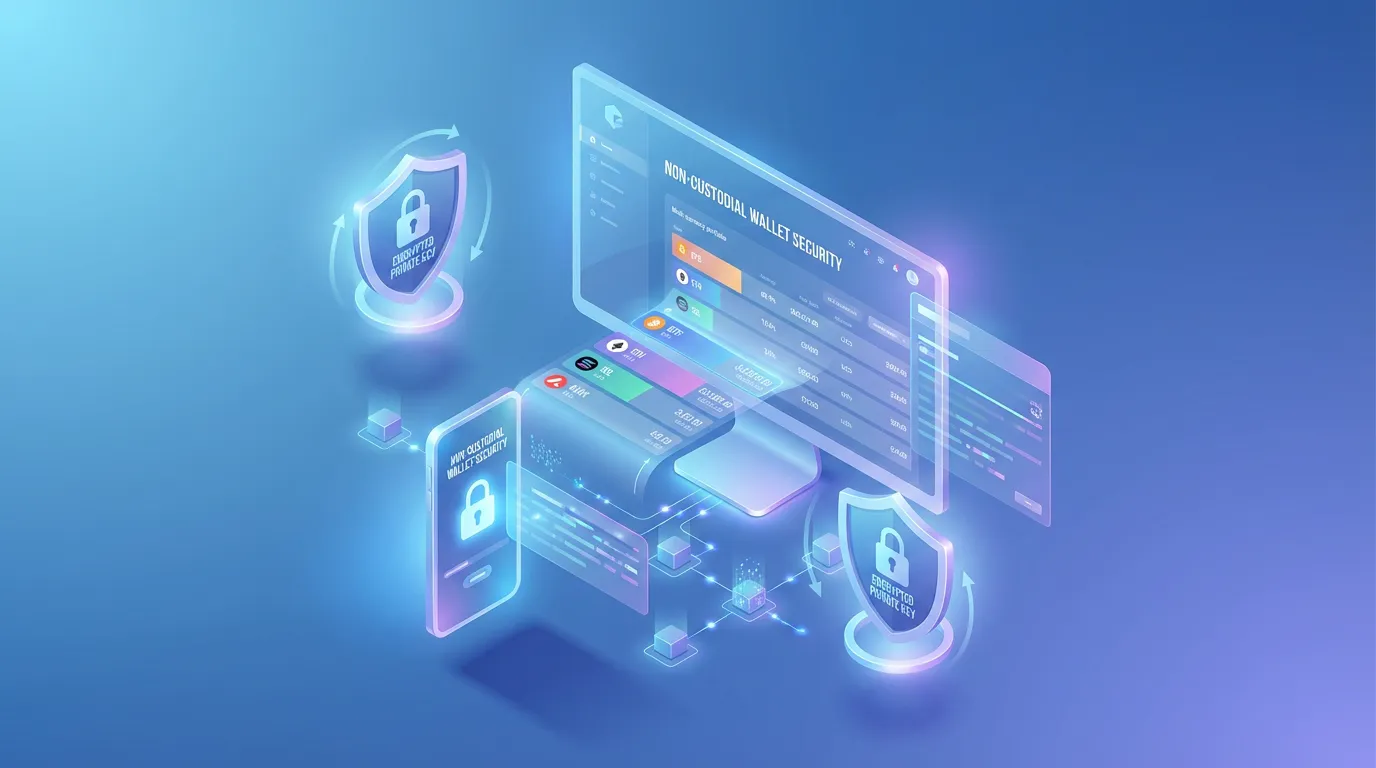
This is also why non-custodial design matters. According to the client information and research report, FoxWallet is fully non-custodial, meaning users retain full control over private keys and assets. Private keys and mnemonic phrases are stored locally with encryption, while the wallet adds phishing detection, high-risk signature verification, and transaction warnings. In an environment where phishing and malicious approvals remain major risks, those design choices are not optional extras. They are part of what makes Blockchain Technology usable for normal people.
If you want to explore the product directly, FoxWallet is available through its official wallet site and download page.
Where Blockchain Technology Creates Real Economic Value
The strongest case for Blockchain Technology is no longer theoretical. It is visible in multiple sectors of the digital economy.
DeFi and on-chain finance
DeFi remains one of the clearest applications. Smart contracts allow users to trade, lend, and access liquidity without relying on a traditional intermediary. Protocols such as Uniswap, Aave, and Compound show how financial infrastructure can run on-chain.
For users, though, DeFi is only as smooth as the wallet experience. FoxWallet's built-in DApp browser and deep DeFi integration are relevant here because they reduce unnecessary app switching and help users access swaps, lending, NFTs, and other on-chain activities from one place.
Payments and remittances
Stablecoins have made Blockchain Technology more useful for payments, especially in cross-border scenarios. With assets such as USDC, users can move value faster and often at lower cost than legacy systems. This is particularly important in a fragmented digital economy where liquidity lives across multiple chains.
NFTs, gaming, and digital ownership
NFTs and GameFi prove that Blockchain Technology is not just about finance. It can also support digital collectibles, player-owned assets, domain identities, and tokenized communities. Wallets that automatically detect tokens and NFTs across networks offer a much better user experience than forcing people to manually track everything chain by chain.
Why Blockchain Technology Needs Multi-Chain Wallets to Scale
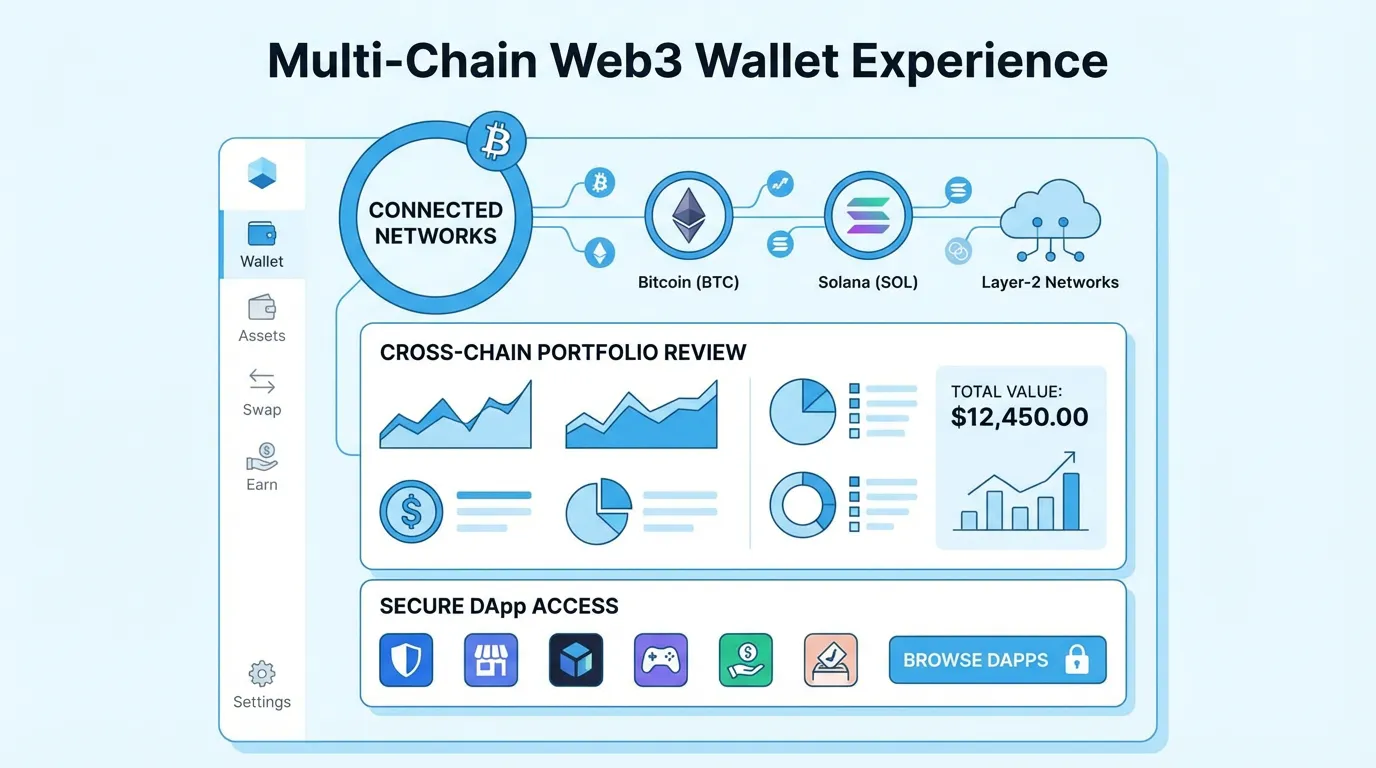
One of the biggest challenges in Web3 is fragmentation. Activity is spread across Ethereum, Solana, Bitcoin, L2s, and many other ecosystems. That means Blockchain Technology is powerful, but it is not simple. Users often face too many networks, too many token standards, and too many disconnected interfaces.
This is exactly where FoxWallet's positioning stands out. Based on the research report, it supports more than 100 blockchains, provides automatic asset and NFT detection, and shows a unified cross-chain asset view. In practical terms, that reduces the operational burden of managing multiple wallets for different ecosystems.
I would argue that this is one of the most important next steps for Web3 adoption. Users do not need more complexity. They need Blockchain Technology to feel coherent.
Here is how that value looks in practice.
| User challenge | Why it happens in Web3 | How FoxWallet addresses it |
|---|---|---|
| Chain fragmentation | Assets spread across many ecosystems | Unified multi-chain asset management |
| Hidden trading friction | Prices, liquidity, and fees vary by route | Native swap aggregation for better routing |
| Security risk | Phishing links and risky approvals | Pre-transaction alerts and contract recognition |
| Beginner confusion | Too many tools and steps | Guided onboarding and cleaner UX |
| Device switching | Different workflows on mobile and desktop | Mobile and browser extension support |
For readers who want a deeper look at route risk and user safeguards, FoxWallet's article on cross-chain swap risks is a useful reference. It explains why route visibility, fee clarity, and pre-transaction warnings matter when moving assets across networks.
Why Blockchain Technology Adoption Will Favor Security-First Platforms
The next stage of Blockchain Technology adoption will not be decided by hype alone. It will be decided by trust, usability, and cost efficiency.
The research report highlights that Web3 has hundreds of millions of users globally, but it also points to the same recurring pain points: key management, phishing, malicious contracts, network confusion, and fees. In my opinion, these are the barriers that separate early enthusiasm from mainstream retention.
That is why FoxWallet's strategy makes sense. It is built around a security-first, non-custodial model, multi-chain asset management, native cross-chain swap aggregation, and deep DApp access across mobile and browser extension. Just as important, it is designed for different user levels, from beginners who need guided onboarding to advanced users managing complex on-chain activity.
That combination matters because Blockchain Technology is moving from experimentation to daily utility. The winners in this space will likely be the platforms that can make self-custody safer, multi-chain participation simpler, and on-chain activity more transparent.
What Blockchain Technology Means for the Future of the Digital Economy
Blockchain Technology is best understood as infrastructure for a more programmable internet. Web3 is the user-facing expression of that shift, but the real innovation is deeper: digital ownership, open financial rails, composable applications, and portable identity.
My view is that the digital economy will increasingly depend on tools that help users interact with this infrastructure without sacrificing security or control. That is why wallets are so important, and why FoxWallet has a strong strategic role to play. Its multi-chain, non-custodial architecture aligns with the practical direction of Web3: more networks, more on-chain activity, and higher demand for safe, unified access.
For anyone looking to participate in the next stage of Web3, the challenge is not just understanding Blockchain Technology. It is choosing tools that make that technology usable in the real world. FoxWallet's focus on self-custody, multi-chain asset management, on-chain trading, and DApp access makes it a compelling option for users who want one secure gateway into the evolving digital economy.