


Best DEX Aggregators for Stablecoin Swaps in 2026

Stablecoin swaps look simple: exchange USDC for USDT, DAI for USDC, or a chain-specific stablecoin for another stable asset. In practice, the best route can change by chain, liquidity depth, gas cost, wallet fees, slippage settings, and whether the transaction stays on one chain or crosses to another.
That is why the best DEX aggregators for stablecoin swaps in 2026 are not just the platforms with the most recognizable names. The right choice depends on your goal: lowest effective output loss, safer signing, clearer fees, better cross-chain routing, or easier multi-chain stablecoin management.
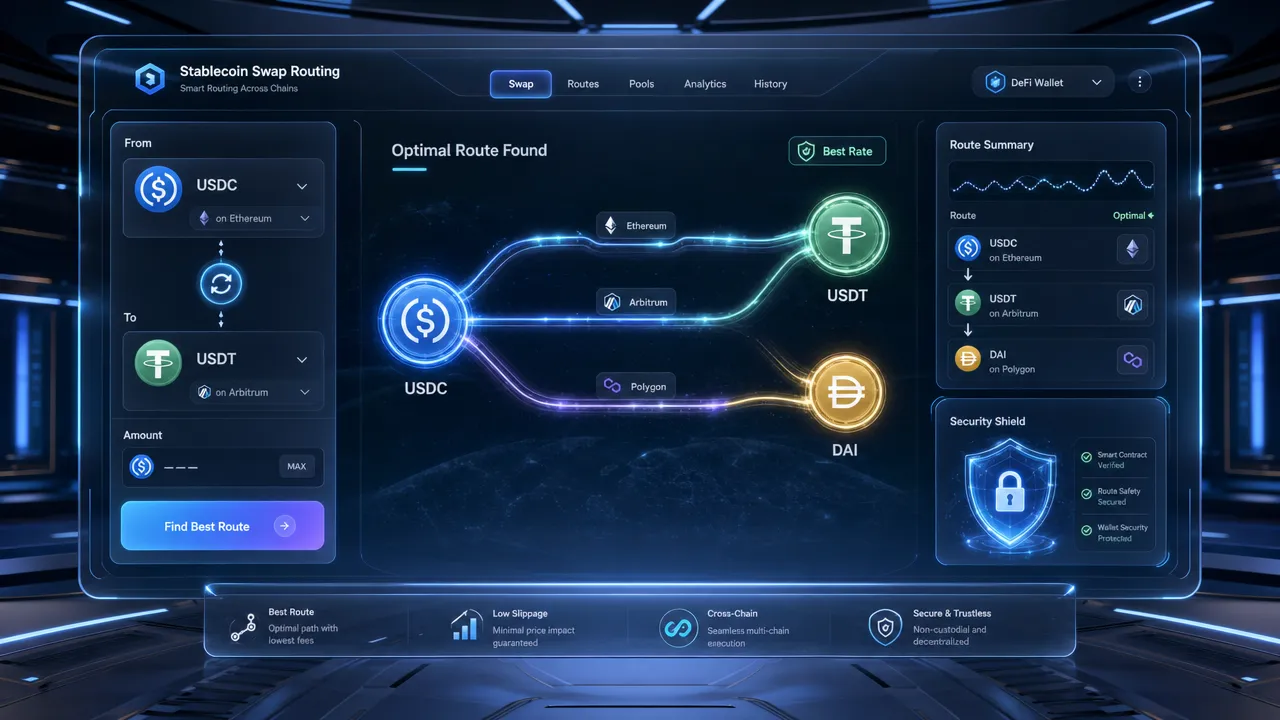
This guide compares major aggregator and wallet-layer options while explaining where FoxWallet fits: not as a standalone DEX aggregator, but as a non-custodial, multi-chain wallet layer for managing assets, accessing built-in swap and cross-chain capabilities, reviewing transaction details, and reducing operational risk.
Best DEX Aggregators for Stablecoin Swaps in 2026: What to optimize first
Stablecoin swaps are execution-sensitive because users usually expect near-par conversion. If you swap a stablecoin designed to track the U.S. dollar into another stablecoin with the same target value, even small losses from price impact, gas, slippage, or hidden fees can matter.
According to Uniswap's educational overview, stablecoins are digital assets designed to track another asset's value, but they are not risk-free. Peg stability depends on liquidity, issuer design, reserves, and market confidence. You can learn more from this stablecoin explainer by Uniswap.
For stablecoin swaps, the most important metric is the final received amount after all costs, not the headline quote. Before confirming a route, compare:
- Expected output amount.
- Price impact.
- Slippage tolerance.
- Network gas fee.
- Aggregator or wallet service fee.
- Bridge fee, if the route is cross-chain.
- Destination-chain token contract.
- Approval request and contract risk.
Token swaps can also be affected by liquidity, price impact, and route timing, as described in this token swap guide from MoonPay. Stablecoins reduce volatility exposure, but they do not remove swap execution risk.
Best DEX Aggregators for Stablecoin Swaps in 2026: Top platform types to compare
There are two broad categories to understand: standalone aggregators and wallet-native swap interfaces. Standalone aggregators focus on route discovery and execution. Wallet-native tools focus on convenience, signing, asset visibility, and user safety around the transaction.
| Platform type | Examples | Best fit | Stablecoin swap consideration |
|---|---|---|---|
| Same-chain DEX aggregators | 1inch, ParaSwap, Odos | Comparing routes on one network | Useful when USDC, USDT, DAI, or wrapped stablecoin liquidity is fragmented across pools |
| Cross-chain routing layers | LI.FI and wallet-integrated cross-chain systems | Moving stablecoins between networks | Requires extra review of bridge route, destination token, fees, and completion time |
| Wallet-native swap products | MetaMask Swaps, Trust Wallet, Binance Web3 Wallet, OKX Web3 Wallet, Exodus, FoxWallet | Convenience and asset management | Route quality matters, but so do wallet warnings, fee visibility, approvals, and self-custody controls |
| Security-first wallet layer | FoxWallet | Multi-chain stablecoin management and safer signing workflow | Helps users manage assets, review routes, and interact from a non-custodial wallet interface |
For same-chain stablecoin swaps, 1inch, ParaSwap, and Odos are often relevant because they focus on routing across decentralized liquidity sources. Odos is especially notable for advanced multi-input and multi-output routing, which may suit experienced users consolidating stablecoin balances.
For cross-chain stablecoin swaps, routing layers such as LI.FI are highly relevant because they combine swap and bridge logic. However, cross-chain activity adds bridge risk, wrapped asset risk, settlement delays, and more fee variables.
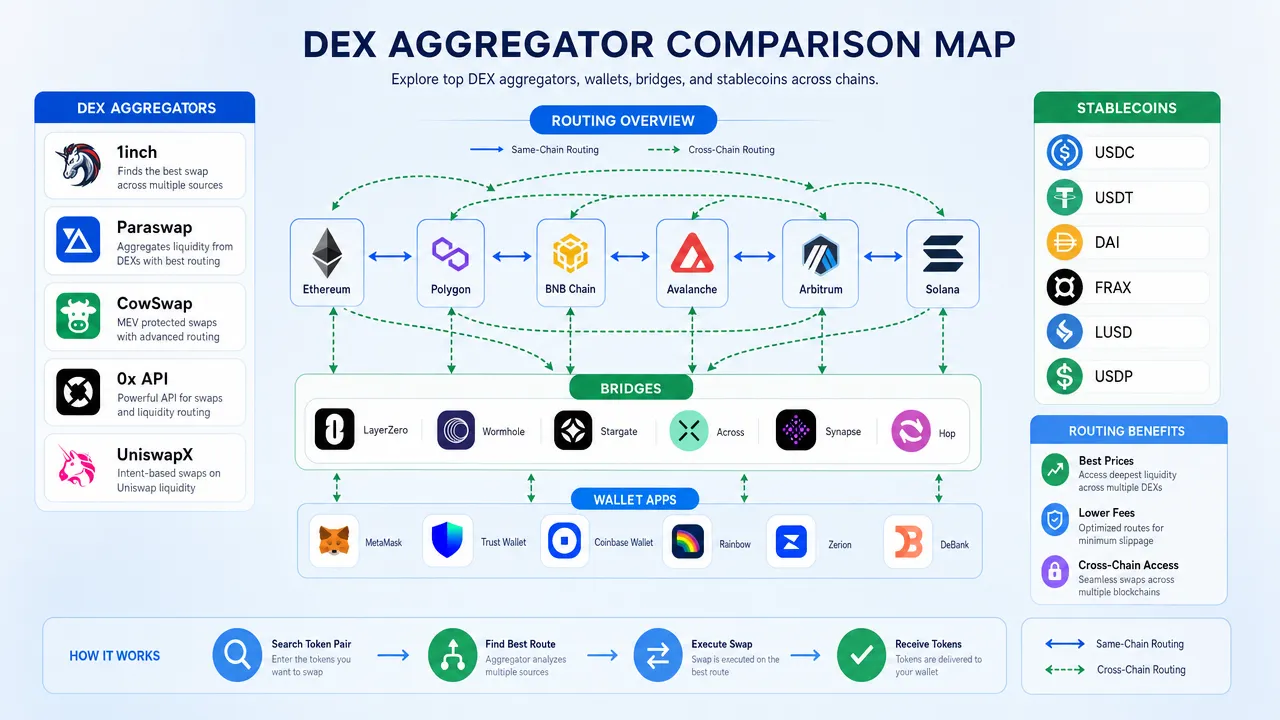
The practical takeaway is simple: use standalone aggregators when you want to compare specialized routes, and use a wallet-native interface when signing safety, portfolio visibility, and lower operational friction matter. For many stablecoin users, the best experience combines both ideas: strong routing access plus a secure wallet layer.
Best DEX Aggregators for Stablecoin Swaps in 2026: Same-chain vs cross-chain decisions
The first question is not "Which platform is best?" It is "Am I swapping on the same chain or moving value across chains?"
Same-chain swaps are usually simpler. For example, swapping USDC to USDT on the same network mainly depends on liquidity, gas, route quality, slippage, and approval safety. Cross-chain swaps are more complex because they may combine a swap, bridge, and destination-chain settlement into one user-facing flow.
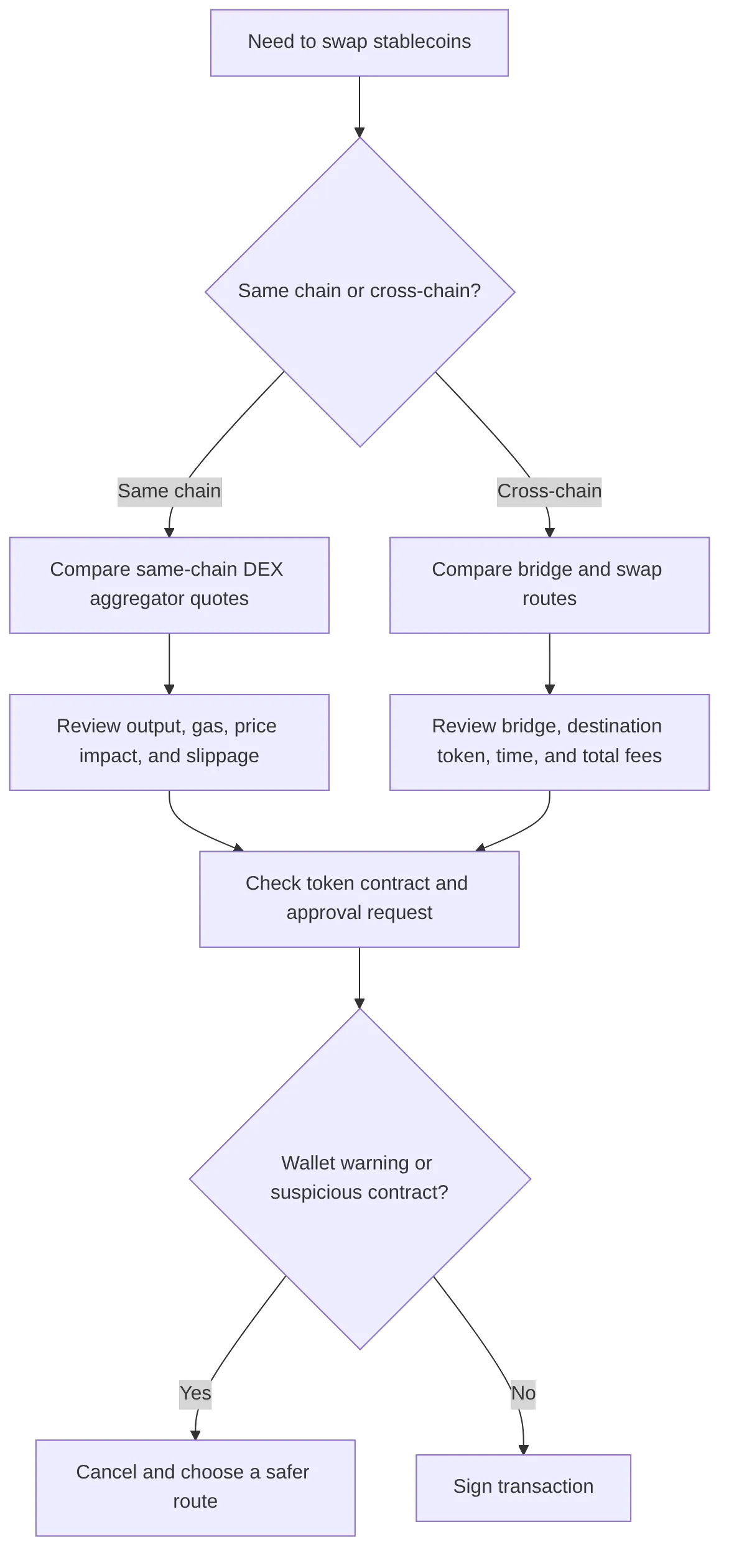
For same-chain swaps, a route with slightly better output may still be worse if it requires excessive gas or complex hops. For cross-chain swaps, the quoted amount is only part of the decision. Users should also check whether the received token is native or bridged, whether the destination chain is correct, and whether the route depends on a bridge or messaging system they understand.
FoxWallet has published practical guidance on this topic in its cross-chain swap risks guide, including issues such as bridge smart contract risk, relayer or validator risk, message-passing errors, liquidity fragmentation, and wrong-chain mistakes.
Best DEX Aggregators for Stablecoin Swaps in 2026: How FoxWallet helps users
FoxWallet is best understood as a wallet-first stablecoin swap gateway. It is a non-custodial, multi-chain decentralized wallet, meaning users retain control of their private keys and assets. FoxWallet does not need to be described as a standalone DEX aggregator to be valuable in stablecoin swaps. Its role is the wallet layer around the trade.
With FoxWallet, users can manage assets across multiple blockchains, access built-in swap and cross-chain capabilities, and review transaction information from a security-first interface. This matters because stablecoin swapping is not only about the route. It is also about whether the user can identify the correct token, understand the chain context, avoid phishing links, and recognize risky approvals.
FoxWallet's strengths for stablecoin users include:
- Non-custodial self-custody, with users retaining control of assets.
- Local encrypted storage of mnemonic phrases and private keys.
- Multi-chain asset and token balance management.
- Unified asset visibility across supported networks.
- Built-in multi-chain swap and cross-chain access.
- Pre-transaction risk alerts.
- Smart contract recognition.
- Phishing and malicious link protection.
- Mobile and browser extension support.
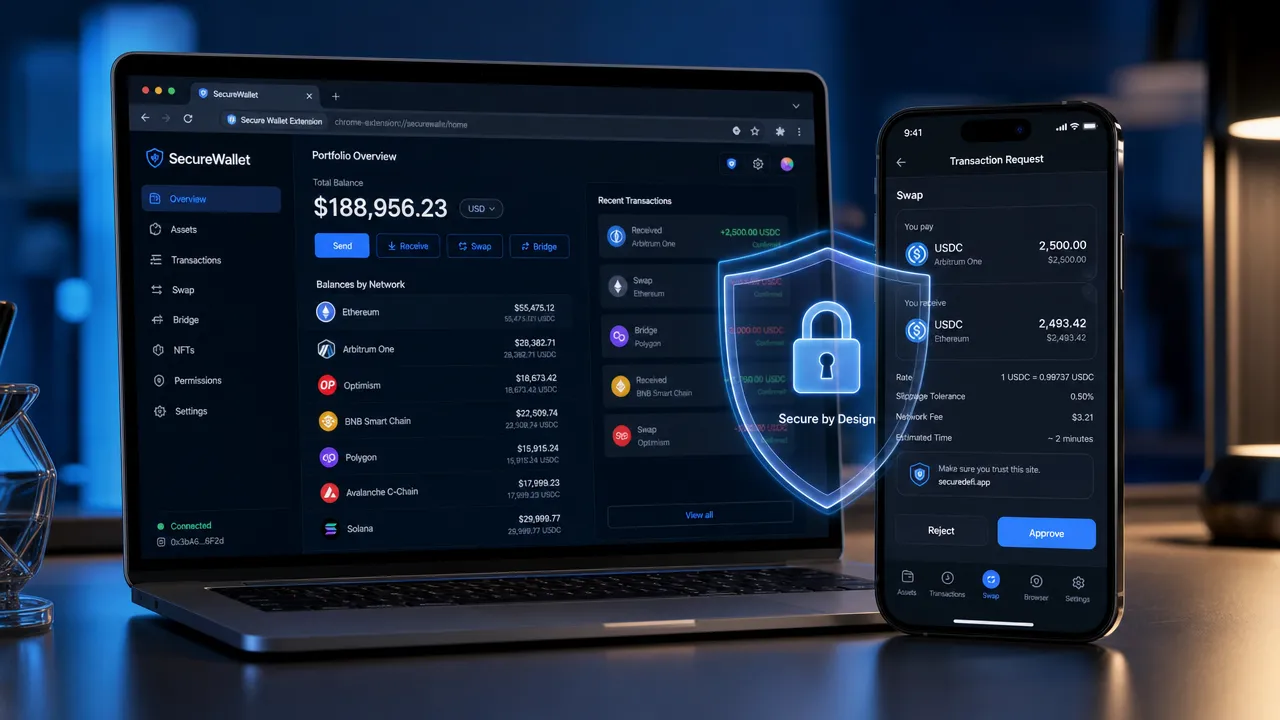
For users who want to understand FoxWallet's broader approach to wallet security and asset management, the secure and fast multi-chain management guide explains how a multi-chain wallet can simplify fragmented Web3 operations. For swap-specific safety, FoxWallet's decentralized swap safety guide covers common risks such as suspicious contracts, unsafe approvals, phishing, and transaction review.
FoxWallet also supports broader Web3 asset workflows through mobile and browser extension experiences. If you manage stablecoins alongside other on-chain assets, the guide to mastering Web3 assets with FoxWallet provides more context on unified asset management and DApp access.
Best DEX Aggregators for Stablecoin Swaps in 2026: Safety checklist and final picks
There is no universal "best" DEX aggregator for every stablecoin swap. The best choice depends on chain, size, liquidity, route, fees, and user experience. Use this practical framework:
| User goal | Best-fit option type | What to check before signing |
|---|---|---|
| Best same-chain quote | 1inch, ParaSwap, Odos | Effective output, gas, slippage, price impact, route complexity |
| Advanced multi-token routing | Odos | Input and output tokens, atomic execution details, route assumptions |
| Cross-chain stablecoin movement | LI.FI-style routing and wallet-integrated cross-chain swaps | Bridge route, destination token, fee stack, completion time |
| Wallet-native convenience | MetaMask Swaps, Trust Wallet, Binance Web3 Wallet, OKX Web3 Wallet, Exodus, FoxWallet | Provider, fee display, token contract, wallet warnings |
| Security-conscious multi-chain management | FoxWallet | Correct chain, correct token, approval request, risk alerts, final received amount |
Before any stablecoin swap, follow this checklist:
- Confirm whether the swap is same-chain or cross-chain.
- Compare final received amount, not only the quoted rate.
- Check slippage and avoid unnecessarily high settings.
- Verify the token contract, especially for USDC, USDT, DAI, and bridged variants.
- Review network fee, route fee, wallet fee, and bridge fee if applicable.
- Read approval requests carefully.
- Avoid suspicious links and unknown DApps.
- For larger cross-chain swaps, consider a small test transaction first.
- After completion, verify the received asset on the correct destination chain.
- Use a non-custodial wallet with clear transaction review and risk alerts.
For many users in 2026, the strongest approach is to compare aggregator routes while using a secure wallet layer for self-custody, approvals, and multi-chain visibility. FoxWallet is built for that workflow: a non-custodial, multi-chain wallet that helps users manage stablecoins across networks, access built-in swap and cross-chain capabilities, and review transactions from a security-first interface.
If your priority is route specialization, compare dedicated aggregators. If your priority is stablecoin management, safer signing, mobile and browser extension access, and fewer operational mistakes across chains, FoxWallet is a strong wallet-layer choice to consider.