


ZetaChain Halts Cross-Chain Services Following Smart Contract Exploit

ZetaChain suspended its cross-chain transaction services after hackers exploited vulnerabilities in team wallets through a smart contract attack, marking another security breach in the cryptocurrency sector's challenging April period.

The Layer 1 blockchain network shut down cross-chain operations for more than 15 hours to prevent additional losses from the exploit. While the platform restricted external transfers, users could still conduct internal transactions within the ZetaChain ecosystem. The development team confirmed that customer wallets remained secure and unaffected by the breach.
Vulnerable bridge contract enables unauthorized transfers
Security researchers identified the GatewayZEVM contract as the primary vulnerability that enabled the attack. The smart contract, responsible for facilitating fund transfers between ZetaChain and Ethereum, lacked proper access controls and validation mechanisms.
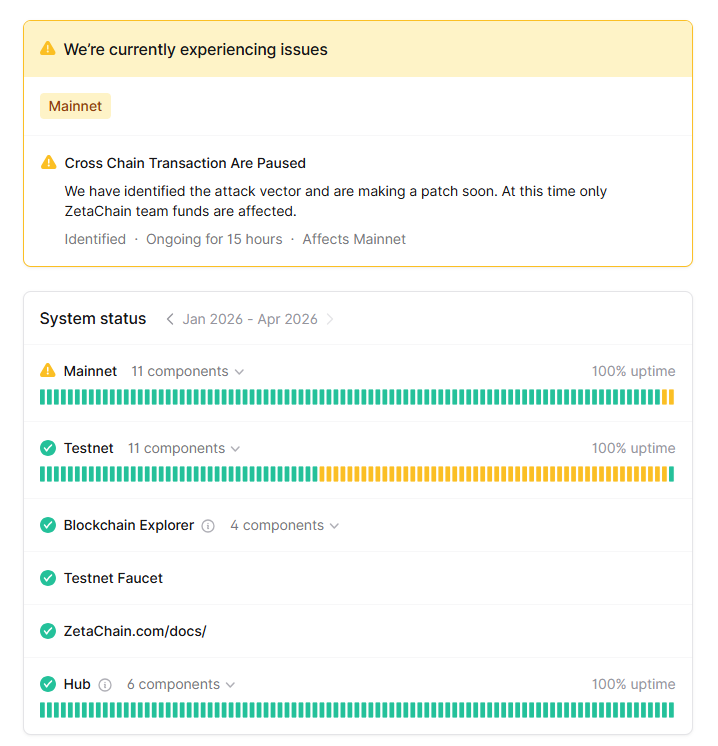
The attacker exploited these weaknesses to initiate unauthorized cross-chain calls and execute operations on external blockchains. By crafting malicious calls to the vulnerable contract, the hacker triggered cross-chain transactions without appropriate collateral backing.
The ZetaChain relayer system processed these fraudulent transactions as legitimate, resulting in the transfer of actual funds to the destination chain. This mechanism allowed the attacker to receive genuine assets despite initiating the transactions through illegitimate means.
Limited financial impact despite systemic vulnerabilities
The financial damage from the exploit remained relatively modest, with identified losses consisting primarily of USDC tokens. The stolen funds currently reside in an Ethereum wallet address, though authorities have not yet frozen or flagged the assets.
ZetaChain operates as a public blockchain compatible with the Cosmos ecosystem and OmniChain project, enabling applications to execute cross-chain transfers through specialized smart contracts. Despite its technical capabilities, the platform maintains minimal activity levels, processing approximately $8 in daily fees with limited user engagement.
The network's total value locked in decentralized finance protocols stands at less than $1 million, following significant market downturns since October 2025. The native ZETA token continued trading around $0.054, showing minimal reaction to the security breach news. The cryptocurrency has declined over 96% from its initial launch price.
Broader implications for cross-chain security
The ZetaChain incident highlights ongoing security challenges within the broader Cosmos ecosystem, which emphasizes permissionless cross-chain compatibility. Security experts suggest the relatively small theft amount could indicate reconnaissance activity, with hackers potentially testing vulnerabilities in similar smart contracts across related platforms.
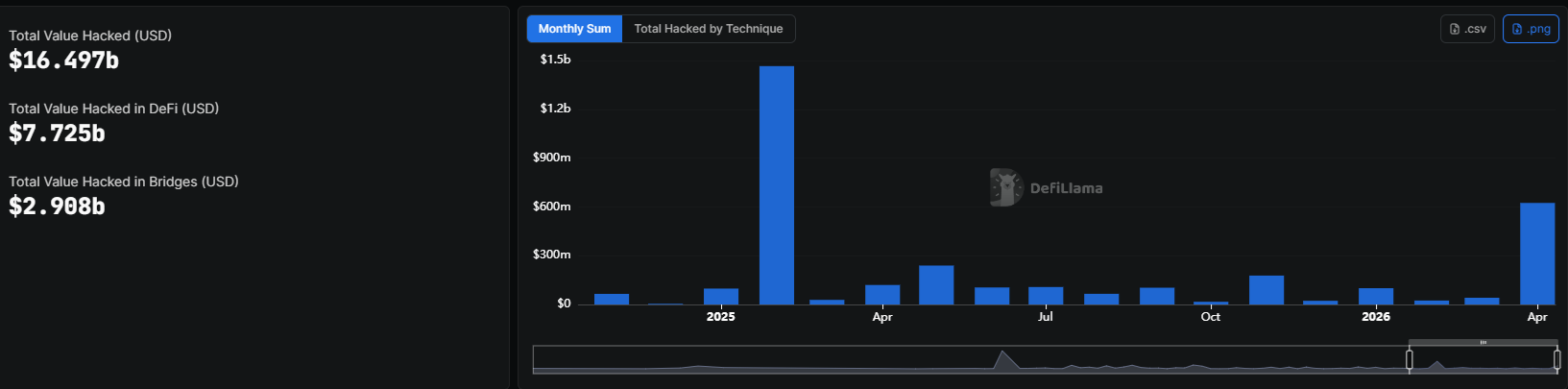
The exploit contributes to an alarming trend in cryptocurrency security breaches during April. According to DeFiLlama data, the month witnessed over $624 million in losses from various hacks and exploits, representing the highest monthly total since February 2025.
This surge in malicious activity follows other significant breaches, including the recently reported Drift Protocol hack. The escalating frequency and sophistication of these attacks have prompted increased vigilance among Web3 projects and security researchers.
The ZetaChain incident underscores persistent vulnerabilities in smart contract design and cross-chain infrastructure, particularly affecting smaller blockchain networks with limited resources for comprehensive security audits. As the cryptocurrency ecosystem continues expanding its interoperability features, ensuring robust security measures across all bridge contracts remains a critical challenge for the industry.
Source: Cryptopolitan