


Best USDT Wallets: Top Picks Supporting TRC20, ERC20, and Multiple Chains

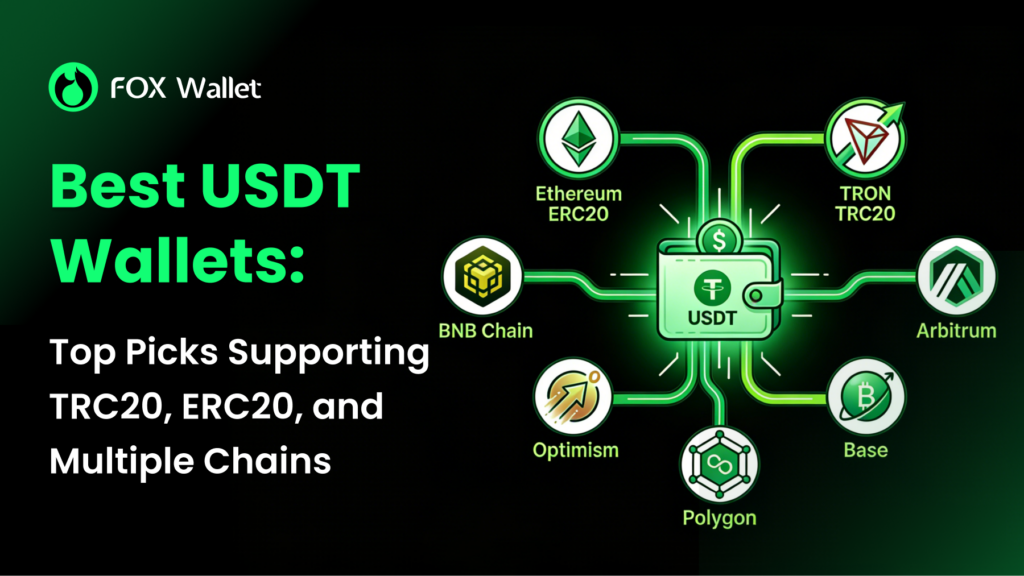
USDT (Tether) is the most widely used USD-pegged stablecoin, commonly used for trading, transfers, and as a place to "park" value during volatility. The tricky part is that USDT exists on multiple blockchains, and the same "USDT" can behave very differently depending on the network you use. Choosing the right USDT wallet is largely about matching the right chain (TRC20, ERC20, and other networks) with your priorities: fees, speed, DeFi access, and security.
What a USDT wallet is, and why chain support matters
A wallet "supports USDT" only if it can (1) generate the correct address for a specific chain, (2) track the USDT token on that chain, and (3) send and receive it correctly.
This matters because sending USDT on the wrong network is one of the most common (and costly) user errors. If you send TRC20 USDT to an ERC20 address (or the other way around), recovery is often impossible. For a clear explanation of this risk, see this authoritative overview on network differences from XREX Support.
USDT itself is issued on many chains (Ethereum, TRON, and others). If you want background on USDT's history and multi-chain presence, start with Wikipedia's Tether overview.
TRC20 vs ERC20 (and "other chains"): how to choose the right network
Most users narrow their USDT transfers to two main options:
- ERC20 (Ethereum): strong DeFi integration and deep liquidity, but often higher gas fees.
- TRC20 (TRON): typically cheaper and faster for transfers, popular for frequent payments and remittances.
A helpful, chain-level explainer is Guarda's breakdown of standards and tradeoffs: TRC20 vs ERC20 differences.
Many users also rely on EVM-compatible low-fee networks (like BNB Chain and Ethereum L2s). These often sit between TRON and Ethereum mainnet in cost and DeFi accessibility, and they are increasingly common for day-to-day transfers.
Conceptual comparison (illustrative, not exact fees):
What to look for in a strong USDT wallet (selection checklist)
When comparing options, focus on the factors that reduce irreversible mistakes and long-term costs:
- Non-custodial security (self-custody)
- You control the private keys or recovery phrase.
- Local encryption and clear backup flows.
- Clear chain labeling and token detection
- The wallet should make it obvious whether you are using TRC20, ERC20, or another network.
- Automatic asset detection helps reduce manual errors.
- Multi-chain asset management
- A unified view of balances across chains reduces "where did my USDT go?" confusion.
- Built-in cross-chain swaps (do not confuse with staking)
- Useful when you need to move value between networks without juggling multiple apps.
- Look for transparent routing and pricing, with fewer hidden costs.
- DApp and DeFi access with risk awareness
- A built-in DApp browser can be convenient, but risk alerts matter for approvals and smart contracts.
- Platform fit
- Mobile for daily use, plus a browser extension for desktop Web3 workflows.
Best USDT wallets in 2026: top picks for TRC20, ERC20, and multi-chain use
Below is a practical comparison of leading wallets (including FoxWallet as the featured multi-chain, self-custody option). Notes reflect what is clearly documented in the provided research sources and where users should verify in-app.
| Wallet | Custody model | ERC20 support | TRC20 support | Multi-chain strength | Best for |
|---|---|---|---|---|---|
| FoxWallet | Non-custodial (user controls keys; locally encrypted) | Yes (strong EVM coverage) | Not highlighted in public materials | Excellent for Ethereum, EVM L2s, and major chains | Users active across EVM networks who want unified assets + cost-optimized swaps |
| Trust Wallet | Non-custodial | Yes | Yes (documented) | Very broad | Users who prioritize TRON + general multi-chain coverage |
| OKX Web3 Wallet | Self-custody (seed/MPC options) | Yes | Yes (documented) | Very broad | Users who want broad chain coverage with exchange-adjacent tooling |
| MetaMask | Non-custodial | Yes | Yes (TRON support added as of 2026) | EVM-first, expanding | EVM DeFi users who want maximum DApp compatibility |
| Binance Web3 Wallet | MPC self-custody | Yes | Unclear/less documented | Strong EVM focus | Users already in the Binance ecosystem |
| Coinbase Wallet | Non-custodial | Yes | Reported, verify in-app | Broad | Users who want a mainstream self-custody wallet experience |
| SafePal | Non-custodial (software + optional hardware) | Yes | Yes (documented) | Broad | Users who want TRON support plus hardware-style security options |
Why FoxWallet is a strong pick for multi-chain USDT management
FoxWallet is built as a multi-chain wallet from the ground up, with an emphasis on self-custody security and reducing multi-chain friction:
- Full user control (non-custodial): private keys and recovery phrases are generated and stored locally with encryption. (See FoxWallet Help Center: account and key basics.)
- Multi-chain asset management: unified cross-chain asset view, automatic detection, and real-time on-chain synchronization (per FoxWallet positioning).
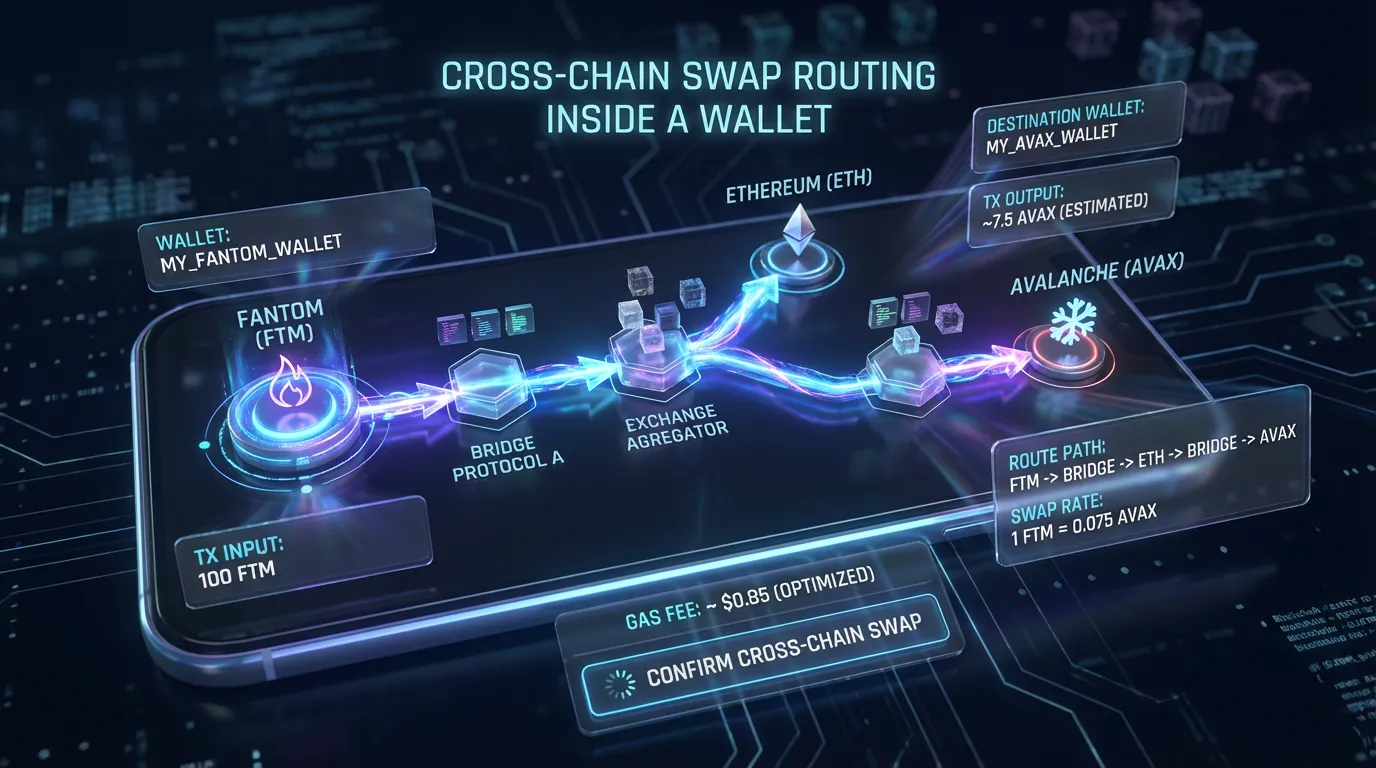
- Built-in cross-chain swaps and on-chain trading: integrated swap aggregators route for pricing and liquidity, aiming to reduce slippage and hidden costs.
- DeFi and DApp integration: in-wallet DApp browser with risk alerts and contract recognition to help users avoid common traps.
For FoxWallet's broader chain coverage and positioning, reference the official FoxWallet article: "The 5 Best Crypto Wallets of 2026".
How to set up and use USDT safely (with fewer mistakes)
Step-by-step safety workflow (works for any self-custody wallet)
- Create the wallet and back up your recovery phrase
- Store it offline (paper or metal backup).
- Never store it in plain text or share it.
- Add or verify USDT on the correct network
- Confirm whether you need TRC20, ERC20, or an EVM L2/BNB Chain variant.
- Receive USDT
- Copy the address for that specific network.
- Ensure the sender selects the same network.
- Send USDT (always do a small test first)
- Test transfers reduce the risk of a costly network mismatch.
- Keep gas in the native token
- ERC20 transfers need ETH for gas.
- TRC20 transfers typically require TRX resources/fees (exact mechanics depend on the wallet and account setup).
Getting FoxWallet (official downloads)
Quick FAQ
Is TRC20 "better" than ERC20?
TRC20 is often preferred for low-cost transfers, while ERC20 is more deeply integrated with Ethereum DeFi. The "best" choice depends on fees, destination requirements, and your use case.
How do I reduce the risk of scams when using USDT?
Use a self-custody wallet with risk alerts, avoid unknown links/DApps, and double-check token contracts and network selection. For broader context on illicit activity trends involving stablecoins, see the TRM Labs 2026 Crypto Crime Report.
Not financial advice. Crypto involves risk. Always verify the receiving network and address before sending funds.