


Best Place to Buy Bitcoin with Low Fees in 2026

People asking "where can i buy bitcoin" in 2026 are usually not looking for a single app name. They are comparing total cost (fees plus spread plus withdrawals), safety (custody model), and how quickly they can move BTC into self-custody for long-term holding or Web3 use. This guide shows how to buy Bitcoin with low fees and then manage it securely in a non-custodial wallet like FoxWallet.
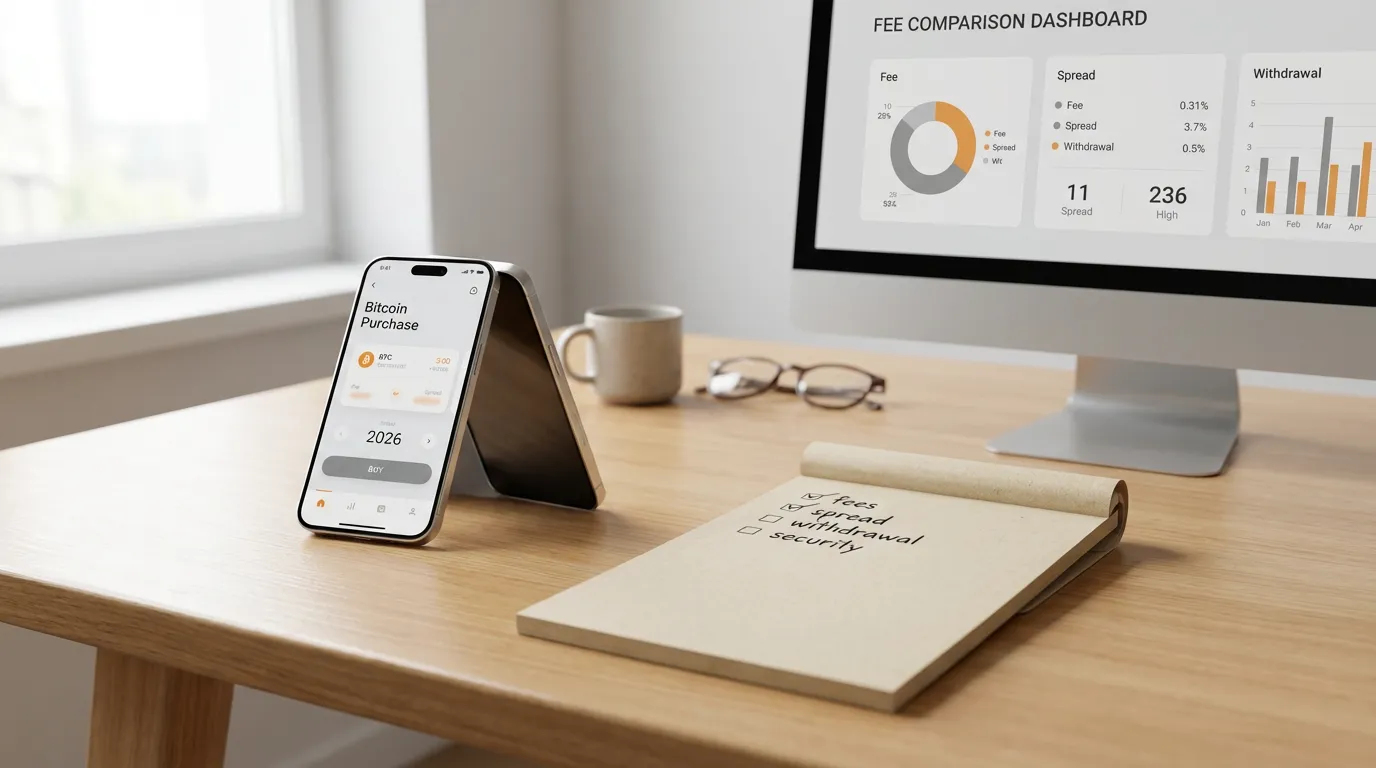
What "low fees" actually means when buying Bitcoin in 2026
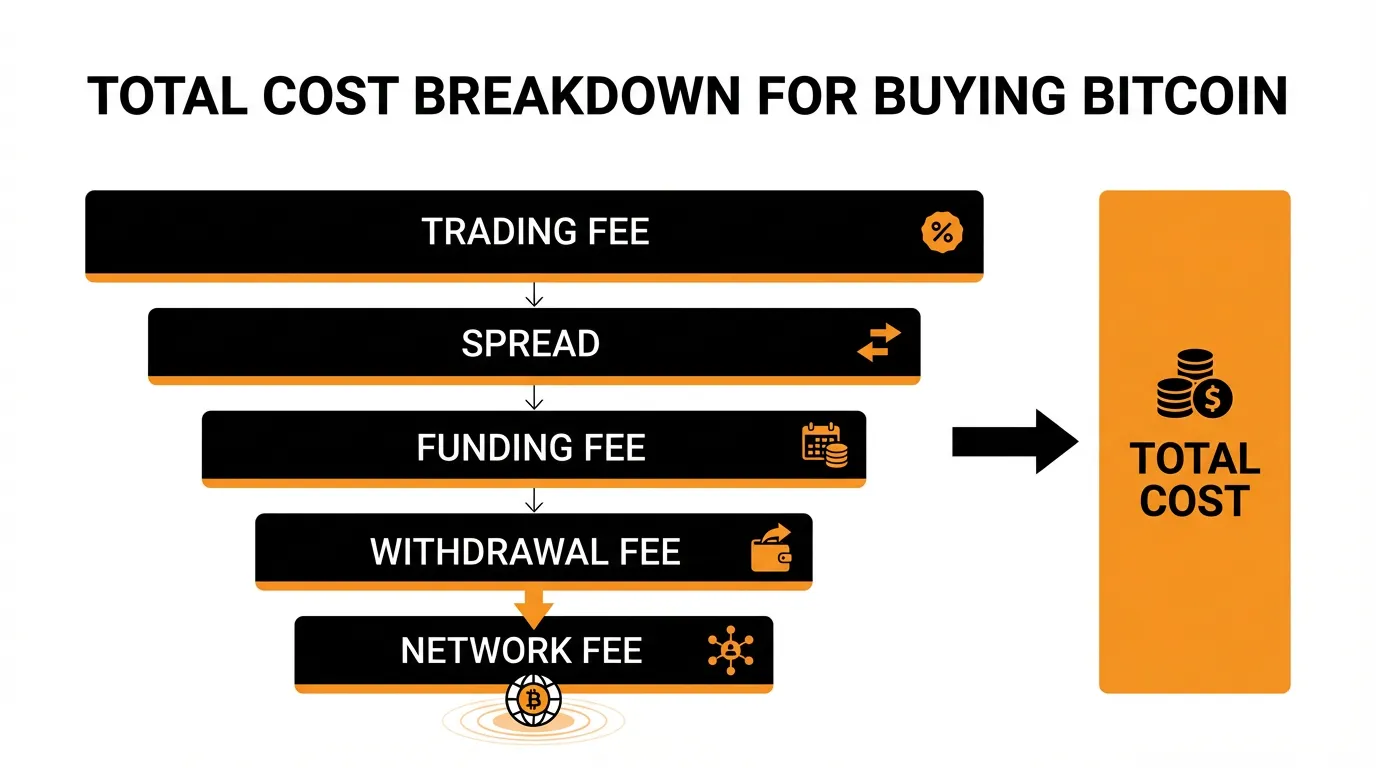
The cheapest way to buy Bitcoin is rarely the one with the lowest advertised trading fee. Your all-in cost typically includes:
| Cost component | What it is | Where it shows up most |
|---|---|---|
| Trading fee | A clear percentage (maker/taker or fixed) | Centralized exchanges, some broker apps |
| Spread / markup | The price difference between mid-market and what you pay | "Instant buy" flows, many fintech apps |
| Funding fees | Extra cost for card purchases or currency conversion | Card buys, non-USD funding, some on-ramps |
| Withdrawal fees | Platform fee to send BTC out | Custodial platforms when moving to a wallet |
| Network fees | Blockchain fee paid to miners/validators | Any on-chain transfer (visible in wallets) |
| Slippage | Worse execution due to routing/liquidity | Swaps, low-liquidity routes, poor routing |
Two key takeaways from 2026 fee comparisons: (1) bank transfers on exchanges usually beat card purchases on price, and (2) "0% commission" often hides cost in the spread. Fee-focused roundups like the guide from CoinLedger repeatedly highlight this pattern.
Where can i buy bitcoin? Pros and cons of the main options
There are five common paths in 2026. The best one depends on whether you care only about today's purchase price, or also about control and long-term flexibility.
Centralized exchanges (best for low-fee fiat buys, but custodial)
Centralized exchanges still dominate fiat-to-BTC because they offer strong liquidity and multiple payment methods. Consumer comparisons (like NerdWallet's platform roundup) often rank them highly for pricing when you use bank transfers and "advanced" trading modes.
Trade-off: you do not control the private keys while funds are on-platform, and you may pay withdrawal fees to move BTC into your own wallet.
Fintech and neobank apps (easiest UX, often higher all-in cost)
Fintech apps win on convenience, but many buyers pay more via spread and card-style funding costs. Broader 2026 buying guides note that spreads around 1 to 2 percent are common for simplified buy flows, even when the app feels "fee-free." See the overview from IndexBox for how these apps package pricing.
Trade-off: custody is typically platform-controlled, and on-chain withdrawals can be limited or less transparent.
P2P marketplaces (more flexibility, more complexity)
P2P can be useful for niche needs, but it adds operational steps, potential disputes, and sometimes wider bid-ask spreads. If your priority is minimizing hassle and maximizing execution quality, P2P is usually not the first choice. CoinLedger discusses these trade-offs in low-fee comparisons.
Bitcoin ATMs (fast cash access, usually the most expensive)
ATMs are consistently flagged as high-cost, with effective fees often far above online options once markups and service fees are included. They are rarely the answer if "low fees" is your goal (again reflected in CoinLedger).
Non-custodial Web3 wallets (best for control and long-term efficiency)
Non-custodial wallets shift control to you. Instead of relying on a platform to hold funds, you hold your keys and can interact directly on-chain. The trade-off is personal responsibility: you must back up your recovery phrase safely and avoid phishing.
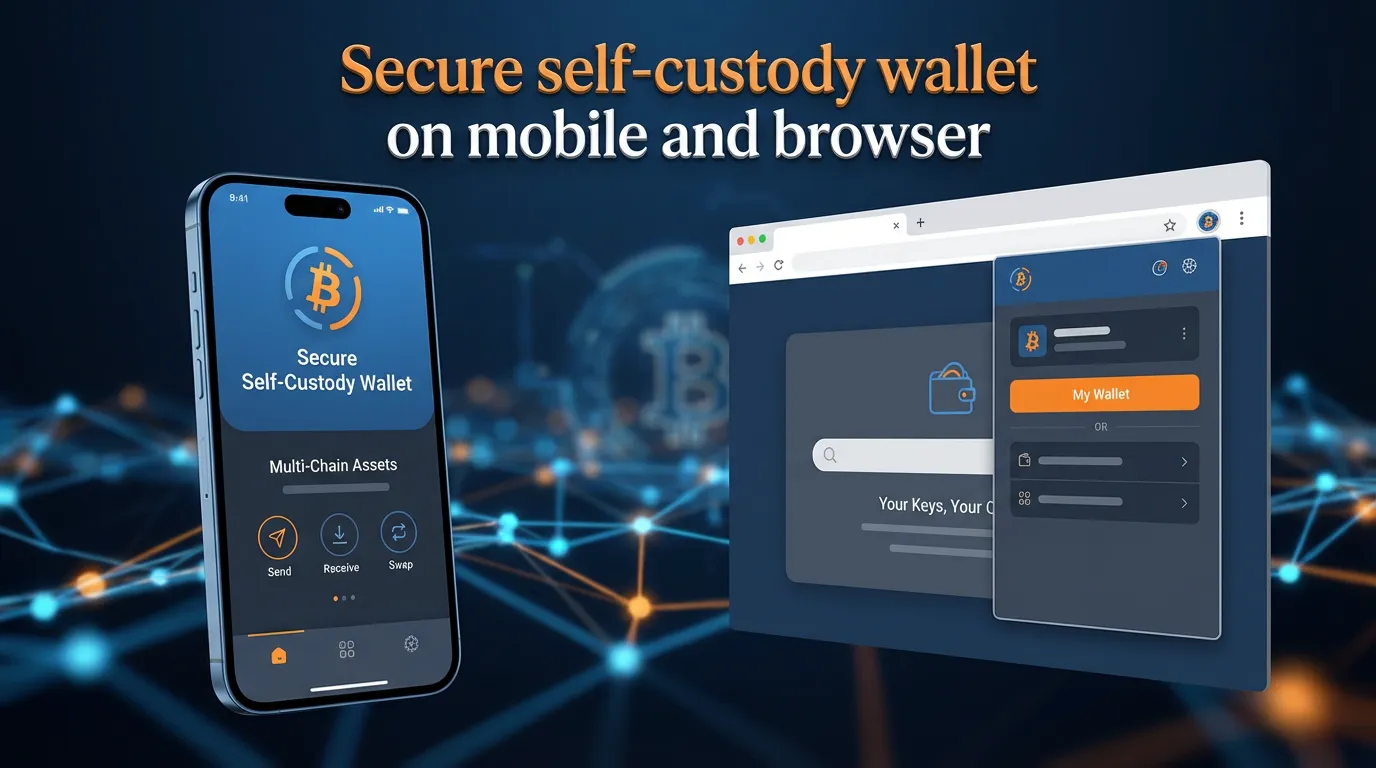
FoxWallet fits this category: a multi-chain, non-custodial wallet designed for both beginners and advanced users, with built-in swap aggregation and strong risk alerts.
Why FoxWallet is a cost-effective place to hold and manage BTC in 2026
If you only measure the first click-to-buy price, a low-fee exchange can look like the winner. But many people lose money later through repeated withdrawals, inefficient swaps, and hidden routing costs. FoxWallet is designed to reduce those long-term frictions while keeping you in full control.
Key advantages of FoxWallet (as a self-custody, multi-chain wallet):
- Non-custodial security by default: you control the private keys; FoxWallet does not hold user funds. Keys and seed phrases are stored locally with encryption.
- Multi-chain asset management in one place: a unified view that reduces errors and time spent switching networks and apps.
- Built-in swap aggregation and on-chain trading: routing optimization can reduce slippage and avoid unnecessary intermediary steps (a common source of hidden costs for active users).
- Risk protection for real-world threats: pre-transaction risk alerts, smart-contract recognition, and phishing/malicious-link protections.
If you want a broader wallet comparison before deciding, FoxWallet also publishes: The 5 Best Crypto Wallets of 2026.
Step-by-step: Buy Bitcoin with low fees, then move it to FoxWallet
This is the most common "best of both worlds" approach in 2026: use an exchange for efficient fiat rails, then use a non-custodial wallet for control and ongoing Web3 flexibility.
Step 1: Choose a low-fee funding method
- Prefer bank transfer over card purchases when possible. Multiple 2026 buying guides show bank rails tend to minimize funding fees and reduce spread compared to card buys (see NerdWallet).
- Avoid "instant buy" if it adds extra markup. Look for an "advanced" trading view when available.
Step 2: Set up FoxWallet (self-custody basics)
- Download and create a wallet.
- Back up your recovery phrase offline (never in cloud notes or screenshots).
- Enable device-level protections (passcode/biometrics) and stay alert for look-alike phishing pages.
Step 3: Withdraw BTC to FoxWallet
- In your exchange app, choose Withdraw and paste your FoxWallet BTC receiving address.
- Start with a small test transfer if you are new.
- Confirm the network and address carefully before sending.
Step 4: Manage BTC alongside multi-chain assets
Once BTC is in FoxWallet, you can:
- Hold in self-custody for long-term security.
- Track and manage assets across multiple chains in one interface.
- Use the built-in swap aggregation when you need to rebalance exposure, aiming to reduce slippage and routing inefficiencies.

FAQs: Buying Bitcoin with low fees in 2026
Where can I buy Bitcoin with the lowest fees in 2026?
Often, the lowest all-in cost starts with bank-transfer purchases on major platforms, then moving BTC into self-custody to avoid long-term custodial friction. Comparing full cost (spread, funding, withdrawals) matters more than the headline trading fee. References like CoinLedger summarize these trade-offs.
Is it cheaper to buy on an exchange or inside a wallet?
Exchanges often win on fiat buy pricing, while wallets can be more cost-efficient over time for managing assets, reducing repeated withdrawal events, and optimizing swaps. Many users combine both: buy, then move to FoxWallet.
Why move BTC off an exchange at all?
Because exchange balances are custodial: you do not control the private keys. A non-custodial wallet reduces counterparty risk, but requires stronger personal security practices.
Are Bitcoin ATMs good for low-fee purchases?
Usually no. They are often among the most expensive routes once you include operator markups and spreads, as highlighted in comparisons like CoinLedger.
Disclaimer: This article is for informational purposes only and does not constitute financial, investment, tax, or legal advice. Buying, selling, and holding Bitcoin and other digital assets involves risk, including potential loss of principal. Always do your own research and follow the laws and compliance requirements in your jurisdiction.
