


Secure USDT Wallet for Multi-Chain Transfers | FoxWallet

Why a Secure USDT Wallet Matters in a Multi-Chain World
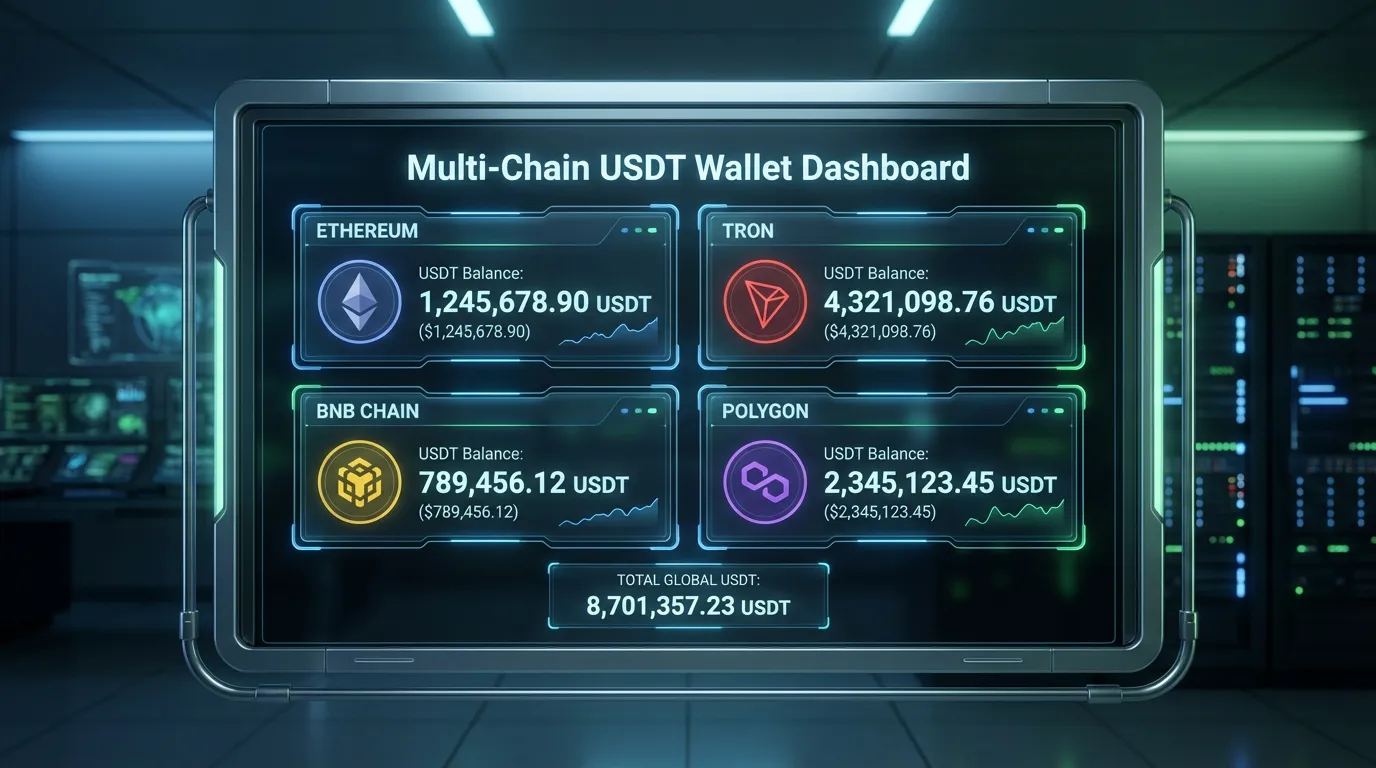
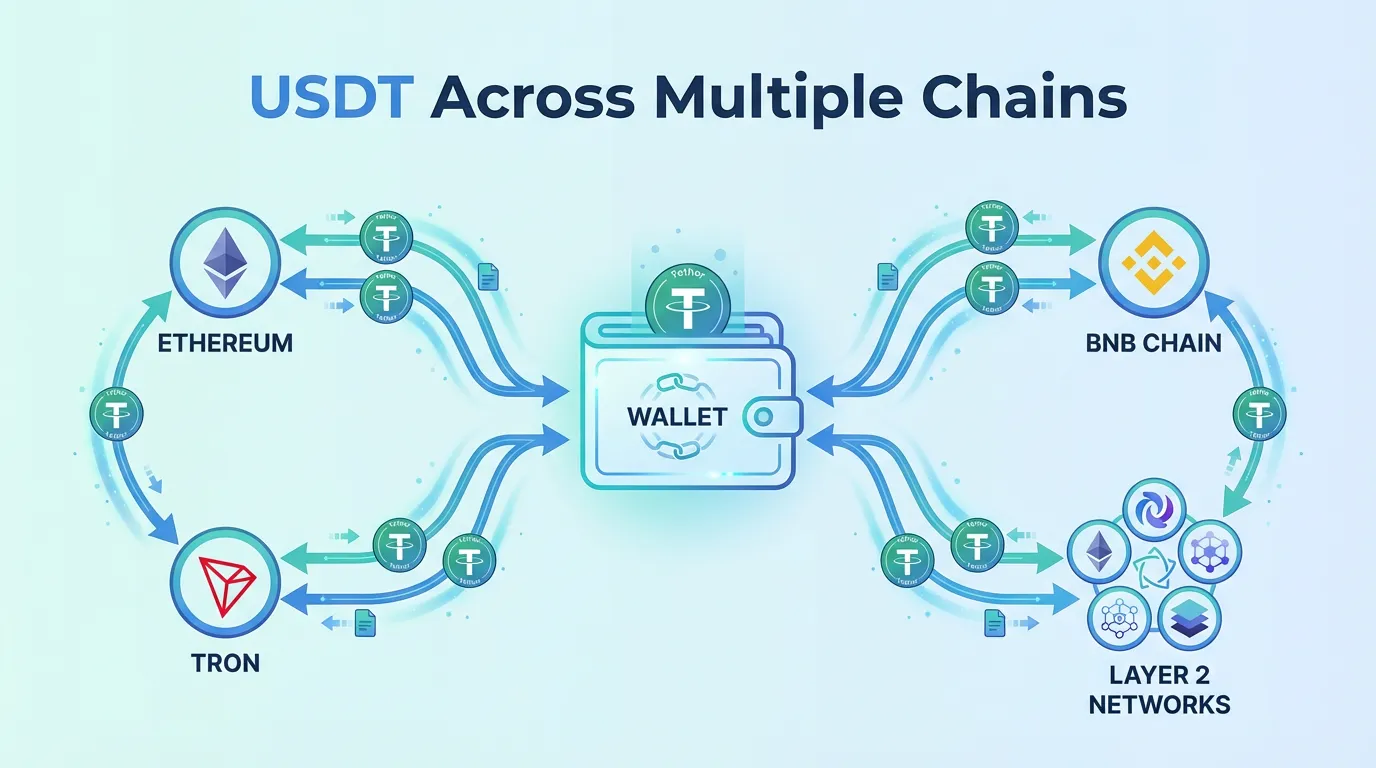
USDT is now used across multiple blockchains, not just one. That creates convenience for transfers, trading, and DeFi, but it also creates friction. Users often need to manage different versions of USDT on Ethereum, Tron, BNB Chain, Polygon, and Layer 2 networks. A strong USDT wallet should make those balances easier to view, safer to use, and simpler to move.
For that reason, the comparison is no longer just about storing tokens. The best option today needs to support self-custody, multi-chain asset management, safe DApp access, and efficient cross-chain operations. Based on the research report, FoxWallet is positioned specifically around those needs as a non-custodial, multi-chain wallet built for both everyday users and advanced on-chain participants.
What to Look for in a USDT Wallet
A reliable USDT wallet should cover four core areas: security, chain coverage, transaction efficiency, and usability.
| Feature | Why it matters for USDT users |
|---|---|
| Non-custodial control | You keep control of private keys and assets |
| Multi-chain support | USDT exists on multiple networks with separate balances |
| Clear fee visibility | Gas, protocol fees, and slippage affect the real transfer cost |
| DeFi and DApp access | Many users use USDT for swaps, lending, and other on-chain activity |
| Risk protection | Alerts for phishing, suspicious contracts, and unsafe approvals reduce common mistakes |
The research report highlights that FoxWallet checks these boxes through local key encryption, sandbox isolation, unified asset visibility, integrated swap routing, and built-in DApp access.
FoxWallet vs Other USDT Wallet Options
When comparing a USDT wallet against alternatives such as Binance Web3 Wallet, Trust Wallet, OKX Web3 Wallet, and MetaMask, the biggest differences come down to custody model, chain breadth, and how well the wallet handles multi-chain transfers.
| Wallet | Custody model | Multi-chain USDT support | Cross-chain and swap focus | Security positioning |
|---|---|---|---|---|
| FoxWallet | Non-custodial | Broad, with unified asset view across 100+ blockchains | Built-in aggregators and route optimization | Local encryption, sandbox isolation, phishing and approval monitoring |
| Binance Web3 Wallet | MPC-based self-custody model | Broad support | Integrated with Binance ecosystem | Account-linked recovery and ecosystem security tools |
| Trust Wallet | Non-custodial | Broad support | Integrated swaps and DApp access | Local encrypted storage and biometric protections |
| OKX Web3 Wallet | Non-custodial | Broad support | DEX routing and multi-chain tools | Warning systems and phishing protection |
| MetaMask | Non-custodial | Strong for EVM chains only | Built-in swaps and bridge tools | Strong EVM security tooling and phishing detection |
FoxWallet stands out in this comparison because its product positioning is built around multi-chain visibility and cross-chain efficiency from the start, rather than focusing mainly on one ecosystem or one virtual machine standard.
Why FoxWallet Fits USDT Users Especially Well
For people specifically looking for a secure USDT wallet, FoxWallet aligns closely with the requirements in the research report.
1. Non-custodial security by design
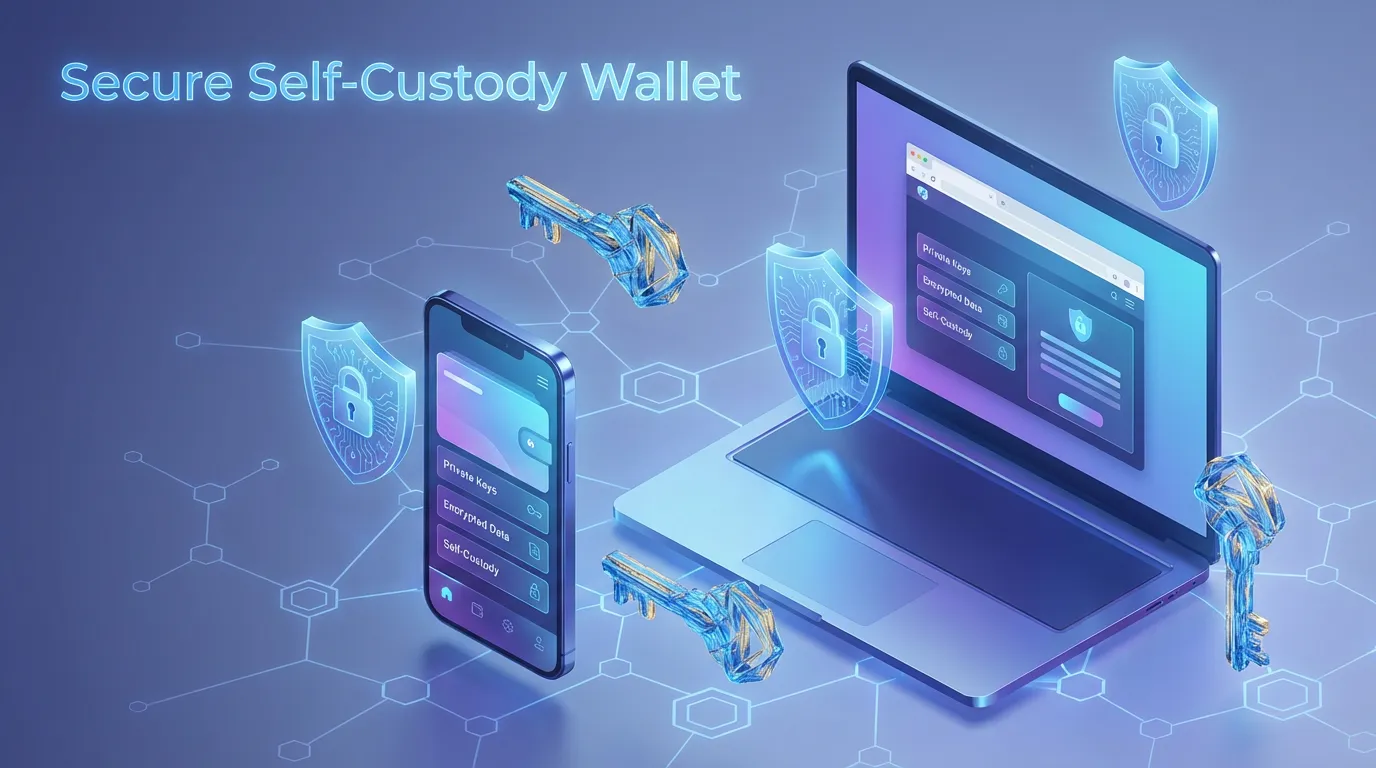
FoxWallet is a non-custodial wallet, which means users retain full control over private keys and funds. According to the research, mnemonic phrases and private keys are stored locally in encrypted form, and the wallet uses secure sandbox isolation. That matters for USDT holders who want to avoid exchange custody risk while still having a practical wallet for daily use.
2. Multi-chain asset management in one place
Because USDT is fragmented across chains, a wallet that only shows one network at a time can create confusion. FoxWallet provides a unified multi-chain asset view, automatic token and NFT detection, and real-time on-chain synchronization. For users holding USDT on Ethereum, Tron, BNB Chain, or other supported networks, this reduces the chance of losing track of balances.
3. Built-in cross-chain swap and trading tools
FoxWallet integrates multi-chain swap aggregators natively. The report notes that the wallet is designed to surface route details such as fees, slippage, and estimated completion time. That is especially relevant for users who frequently move USDT between networks and want to reduce hidden costs over time.
If you want to understand route risk before moving funds, FoxWallet also provides helpful background in its guide to cross-chain swap risks.
4. Direct DeFi and DApp access
USDT is commonly used in swaps, lending markets, liquidity pools, NFTs, and GameFi. FoxWallet includes a built-in DApp browser so users can access these on-chain services directly from the wallet. This supports a smoother experience for both beginners and advanced users who want one entry point for Web3 activity.
5. Mobile and browser extension support
FoxWallet is available on iOS, Android, and desktop extension, which makes it practical for both quick transfers and full desktop DeFi workflows. Users can get started from the official FoxWallet download page.
How Multi-Chain USDT Use Actually Looks
One reason multi-chain support matters is that USDT supply is spread across several major networks, with Ethereum and Tron holding the largest share according to the research report.
Best-Fit Scenarios for FoxWallet
FoxWallet is especially suitable in three common USDT use cases:
| User type | Typical need | Why FoxWallet fits |
|---|---|---|
| Beginner | Store and send USDT safely | Guided onboarding, simple interface, non-custodial control |
| Active DeFi user | Access DApps using USDT | Built-in DApp browser and risk alerts |
| Advanced multi-chain user | Move USDT across networks efficiently | Unified asset view, optimized routing, fee and slippage visibility |
A practical advantage here is that the same wallet can support a user as their needs become more advanced. Someone may start with basic storage and later use the same product for deeper DeFi activity or cross-chain transfers.
Final Verdict
A good USDT wallet today should do more than hold tokens. It should help users manage multiple chains, preserve self-custody, access DeFi safely, and reduce the friction of moving assets across networks.
Based on the research report, FoxWallet compares well because it combines non-custodial security, broad multi-chain support, built-in cross-chain swap functionality, and strong risk protection in one product. For users who want a secure USDT wallet for multi-chain transfers, FoxWallet offers a well-rounded option with support for mobile and desktop workflows. To start using it, visit the official download page and explore more educational content on the FoxWallet blog.