


FoxWallet: Secure Non-Custodial BTC Wallet

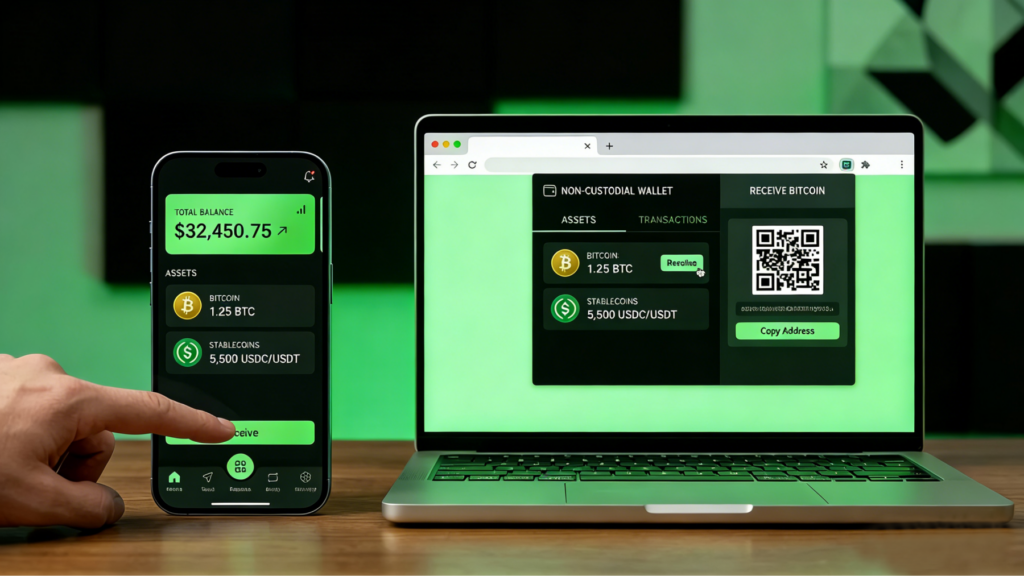
Choosing a BTC wallet is no longer just about "where can I store Bitcoin." Most buyers also want a practical way to manage stablecoins like USDT, move across multiple networks without constant friction, and connect to DeFi and DApps with fewer security surprises. This is exactly where a multi-chain, non-custodial wallet can make a measurable difference in daily usability and long-term risk management.
As a non-custodial wallet, FoxWallet is designed so you keep full control of your private keys and assets, while still getting a unified, multi-chain experience across mobile and a browser extension.
What buyers should look for in a secure non-custodial BTC wallet
Commercial-intent searches for a BTC wallet tend to come down to a few non-negotiables: self-custody, clear security controls, and a setup you can actually stick with.
1) Clear custody model (who controls the keys):
Non-custodial means the wallet provider cannot move your funds because they do not hold your private keys. After repeated incidents involving centralized platforms and compromised hot wallets, many users prefer self-custody to reduce counterparty risk. For context on the broader threat landscape, see the security reporting compiled in the SlowMist 2024 Blockchain Security and AML Annual Report.
2) Local key protection and safe storage defaults:
A strong wallet should store keys locally with encryption and avoid unnecessary cloud dependence. FoxWallet's self-custody approach is documented in the FoxWallet Help Center documentation, including how the wallet is positioned as decentralized, user-controlled, and security-focused.
3) Risk-aware transaction UX (not just "sign and pray"):
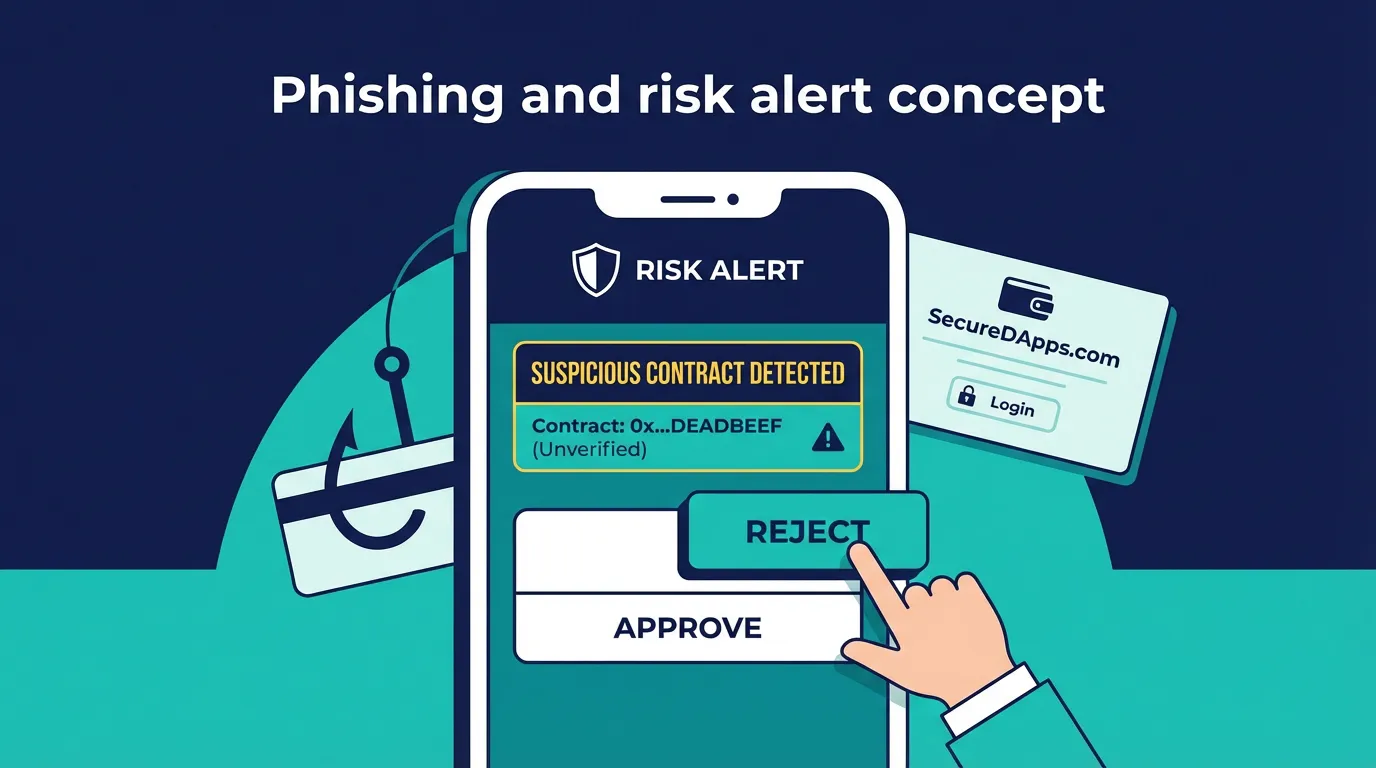
Modern attacks often target users through phishing links, malicious contracts, and deceptive approvals. Wallets that provide pre-transaction risk alerts and clearer transaction previews help reduce mistakes, especially when interacting with DApps.
4) Platform fit (mobile-first plus desktop support):
Most people manage day-to-day on mobile, but serious Web3 use often happens on desktop. FoxWallet supports both mobile and a browser extension experience, aiming for consistency across platforms.
Why BTC plus USDT creates a multi-chain wallet problem (and how to avoid costly mistakes)
A common buyer journey looks like this: hold BTC for long-term exposure, keep USDT for trading liquidity or payments, and occasionally move between networks depending on fees and where an app lives.
The catch is that USDT is multi-chain by nature. It exists on different networks (for example, Ethereum and Tron are frequently discussed in stablecoin education resources), and sending assets to the wrong network is one of the most common, expensive user errors. A good explainer on USDT's multi-chain reality is Polygon's overview, What is USDT?.
What this means in practice:
- You want one interface to view assets across chains.
- You want the wallet to make the selected network explicit during send and receive.
- You want to reduce the number of steps required when moving value across ecosystems.
FoxWallet is built around multi-chain asset management with automatic asset detection and a unified view, so you are not forced to juggle multiple apps for BTC and stablecoins. Its account and multi-wallet structure is covered in the FoxWallet account system guide.

How FoxWallet approaches security, multi-chain management, and Web3 access
FoxWallet's positioning is straightforward: a multi-chain decentralized wallet where users retain full control, paired with practical protections for real-world Web3 usage.
Non-custodial security foundation (user-controlled keys)
FoxWallet is designed so your mnemonic and private keys are generated and stored locally, with local encryption and secure isolation on-device. The intent is simple: FoxWallet does not access or hold user funds. You can review the product's baseline model in the FoxWallet Help Center documentation.
Multi-chain, multi-wallet organization (for beginners through pros)
A frequent frustration with multi-chain portfolios is operational mess: too many addresses, too many networks, and no clear separation between long-term holdings and "active" funds.
FoxWallet supports multi-wallet and multi-seed organization, which can help you separate strategies, for example:
- Wallet A: long-term BTC holding.
- Wallet B: daily spending and stablecoin activity.
- Wallet C: DApp interactions you intentionally keep isolated.
This structure is explained in FoxWallet's account system guide.
Built-in cross-chain swap aggregation (reduce friction and hidden costs)
FoxWallet includes integrated swap aggregation designed to route for pricing and liquidity and reduce multi-step hassle. Rather than pushing users into a patchwork of external sites and manual hops, the wallet experience is built to make cross-chain operations more approachable and cost-aware over time.
Important clarity: cross-chain swapping is about moving value across networks or assets. It is separate from any earning or staking concepts, and should be evaluated independently.
DApp and DeFi integration with a security-first mindset
FoxWallet includes a built-in DApp browser to access DeFi and other Web3 applications with fewer redirects and repeated connection prompts. If your goal is to use stablecoins in lending or liquidity tools, or explore BTC-adjacent DeFi (often via wrapped representations in certain ecosystems), FoxWallet's risk alerts and contract recognition are meant to reduce accidental exposure to malicious interactions.
For a practical overview of how DeFi access is framed inside the wallet, see Secure Guide: Best DeFi Apps 2026 on FoxWallet.
FoxWallet vs other popular wallets: a buyer-focused comparison
You will see several well-known wallets appear in "best wallet" roundups. Many are strong products, but they often differ in emphasis: some are exchange-linked, some are historically EVM-first, and some prioritize breadth over cost transparency or onboarding clarity.
Below is a practical, commercial comparison oriented around what BTC and USDT holders typically care about.
| Buyer criterion | FoxWallet | Typical trade-offs you may see elsewhere |
|---|---|---|
| Custody model | Non-custodial, user-controlled keys (documented in FoxWallet docs) | Some wallets emphasize alternative key management models or tighter platform ecosystems |
| Multi-chain asset management | Built for multi-chain portfolios with unified views and asset detection | Some wallets feel "bolted on" when adding non-native chains |
| Cross-chain swaps inside the wallet | Integrated swap aggregation designed to optimize routing and reduce hidden friction | Some products have powerful routing but can feel complex or less transparent |
| Risk protection UX | Pre-transaction risk alerts, phishing and malicious contract protections (as described by FoxWallet) | Protections vary widely; some rely more on user expertise |
| DApp and DeFi access | Built-in DApp browser and Web3 entry experience | Some wallets are excellent here but may be heavier for beginners |
| Multi-wallet and multi-seed management | Supported for strategy separation and safer operational habits | Not always a first-class workflow in every wallet |
How to get started with FoxWallet (and what to do before you deposit)
Getting started should feel simple, but the security steps are not optional in self-custody.
- Install FoxWallet from official sources
- Start at the official FoxWallet site for platform options.
- For Android, use the official listing: FoxWallet on Google Play.
- Create a wallet and back up your recovery phrase offline
Write it down and store it offline in a secure location. Never share it, never paste it into websites, and never "verify" it for anyone. - Use multi-wallet separation for safer habits
If you plan to interact with DApps, consider keeping a separate wallet for DApp activity and approvals. FoxWallet's multi-wallet, multi-seed setup is explained in the account system guide. - Do a small test transfer first
Before moving a large BTC or USDT balance, test receive and send flows with a small amount and confirm you selected the correct network. - Lean on risk alerts, but keep your own discipline
Wallet protections help, but they cannot eliminate risk. Always verify DApp domains and read transaction prompts carefully. For broader context on crypto-related illicit flows and why wallets are heavily targeted, see Chainalysis coverage in the 2024 Crypto Money Laundering Report.
CTA: If you are comparing wallets for secure self-custody and want a multi-chain experience built to manage BTC alongside stablecoins like USDT, start with FoxWallet and follow the setup guidance in the FoxWallet Help Center.
Disclaimer: This article is for informational purposes only and does not provide investment, tax, or legal advice. Crypto assets involve risk. With non-custodial wallets, you are responsible for safeguarding recovery phrases and device access; losing them can result in permanent loss of funds.